Various stuff
I don’t really know where to begin this is a very sad but true story which is still ongoing in 2021. Whenever I think about him, which is often, I get mixed feelings of guilt, anger, frustration, helplessness and sadness.
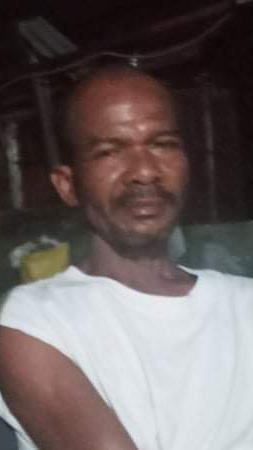
Richard was born in the Philippines to a Filipino mother, one of my five sisters, and an unknown African American serviceman of the USAF. At that time, the Philippines, a former US colony, hosted several facilities for the US navy and air-force. The story that I heard was that his mother, a vulnerable young woman with learning difficulties and as we now know, autism, she went to stay with our relatives in the main island of Luzon, to seek greener pastures. While working as a helper in a bar, someone took advantage of her vulnerability and Richard was the result.
In many Asian countries to my knowledge, people discriminate against fellow human beings who are of a darker skin colour. I think it’s something to do with social class, because lower class people, the poor ones, tend to do manual work under the heat of the sun, thus making their skin much darker than their original brown colour. They are regarded as ignorant peasants. Unfortunately, this is literally true. My mother’s family were so poor, she’d lost her father when she was a young age, she had to help her mother to raised her younger siblings. That made her oftentimes late going to school, when at the school the teacher won’t allowed her to get inside the classroom because of her tardiness, besides from that she doesn’t have any school equipments, as basic as pencil and paper, and her clothes were tatty too. However, she was so determined to learn that she used to stand in the doorway in the open sided class room to listen to the teachers’ lessons and used any pieces of discarded paper and pencil she could find on the ground (cruel society). Her persistence paid off, eventually the teacher let her joined the class. Horay! Victory for her.
Philippines is a developing country, hence a develoving Provinces.
Filipinos have multiple ethnicity, being a mixtures of Malay, Chinese, Caucasian, European, Native bloods and others. There is also a notion that mixed blood people (known as mestizo/ mestiza) are better looking than the non-mixed blood “ay mesitozo/mestiza yan” a common phrase when someone got the looks, and they do well as models or in the entertainment industry but this seems to mostly apply to the fairer skinned. Richard is a tall medium built, handsome good-hearted man. However, because he does not fit the preferred mestizo look, he has been subjected to abuse and bullying, all his life. If such things that have happened to Richard, had happened here in the UK where I live, people would be in uproar.
Richard’s life has progressed bleakly without any happiness. Apart from a little help lately, from myself and an older generous sister along with my late parents, he has had no support and much abuse. His mother was incapable of providing him with any care, really needing care herself due to her autism. His mother left him to be raised by our parents along with a half-brother. They were very poor and existed on my father’s meagre earnings as a fisherman and smallholder. None the less, they did their best to raised their grandsons, having already raised their own eight children.
He was sent to school but because institutions there were not helpful, he only got his first year in high school. They would not let him proceed because Richard could not present his birth certificate, a trivial issue that helped to destroy the child’s future. He did have his birth certificate but we’ve lost it. Of course, the record also existed in the NSO national statistics office, but we didn’t have the money to request for a copy. So that was the end of Richard’s education. He grew up unskilled, unwanted and unloved. Only my parents nanay and tatay had his best interests, at heart. I was only a child myself then so I couldn’t help either. Lacking an education meant he could only do physical jobs as a day labourer. One time when he worked as a family boy (servant), he sent his meagre pay to my mother, He sold ice lollies too to help nanay (my mother) what a kind lad.
He gets bullied anywhere he goes for just simply being black, and the name calling too.
He is condemned to a life of ceaseless misery and hell. Even his own relatives will thoughtlessly bully him by commanding him to do things as if he is a servant. If anybody tells him what to do, he will do it, poor soul. People belittled him often than not. He was conditioned into that, so he don’t know how to fight back. He was in his teens when I left home. After my mother had passed away (it’s painful to write this), he was living in a complete squalor, living on the street as my parents small house was destroyed by typhoon. He resorted to alcohol drinking and got drunk on a regular basis according to reports I heard from others. I don’t blame him for doing that. At first it was a healer then it became a problem. It is now a cycle of relentless despair, alcohol is his medicine, a bad medicine. How could someone on his circumstances gain assertion, when from an early age he was subjected to abused and bullying, I certainly would not. You don’t have to be an expert in human behaviour, to conclude that all of these are the classic example of a knock-on effect from horrible, vile, disgusting, sickening bullying he has endured. He have a nice Christian name but people call him sometimes “ Hey nigger go back to where you belong”. These relentless suffering of this poor man would overwhelm with even the most stable of upbringings. He has had this from childhood to middle age.
He had no home, no mother, his other aunties/uncle were not in a position to help him. Richard did not develop social skills, so it’s difficult for him to interact with others, having been conditioned into low self-esteem and it’s associated insecurity.
Other people are quick to judged him as a drunken alcoholic. I don’t condone his drinking at all, but I understand he had a reason for doing it, although not a good one. He slept on the ground, sometimes on someone benches, literally, and nothing over his head only the stars, moon, dew, and sometimes rain for company. It is only natural to take something or anything to send him to sleep or to numb the pain so that the next day he could function again, so alcohol is the most obvious for him to take. He is now so dependent on alcohol because he cannot sleep without it. I told my family here in England of what Richard had been through. I had bucket load of tears for this so unfortunate lad, my husband too. I did my best to help Richard, but my best was not good enough. He is now a middle age man, still single, never had a girlfriend and probably never will.
Fast forward. After many, many years of suffering.
I thanks God.
Richard’s respite. ALAS!
There is a light at the end of every tunnel. The family (my sister ) acquired a plot of land, big enough for a hut with space to plant vegetables and to raise a livestock. They built a nipa hut for Richard along with his long absent mother as well, and I managed to pay for Richard’s hut, although not fit for any human by European standards, it’s still lot better than living on the street. Richard and his mother now have something they can called a home.
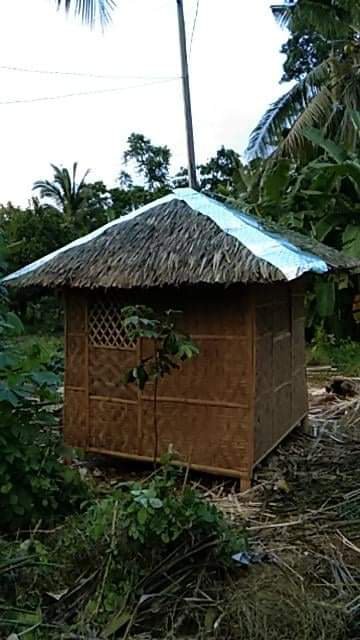
I/we have failed Richard in so many ways and I am so sorry. The rescue came very late, but it’s better late than never. Richard can now have a little dignity. I think nanay would be very pleased as well, if she is watching from above.
He is now working on his own, without anybody to boss him about, a big relief at last for him, for how long we don’t know. Richard is very please after all that pains he suffered, he now felt that there’s still certain good individual cared for him and help him to ease his pains even if it’s a little.

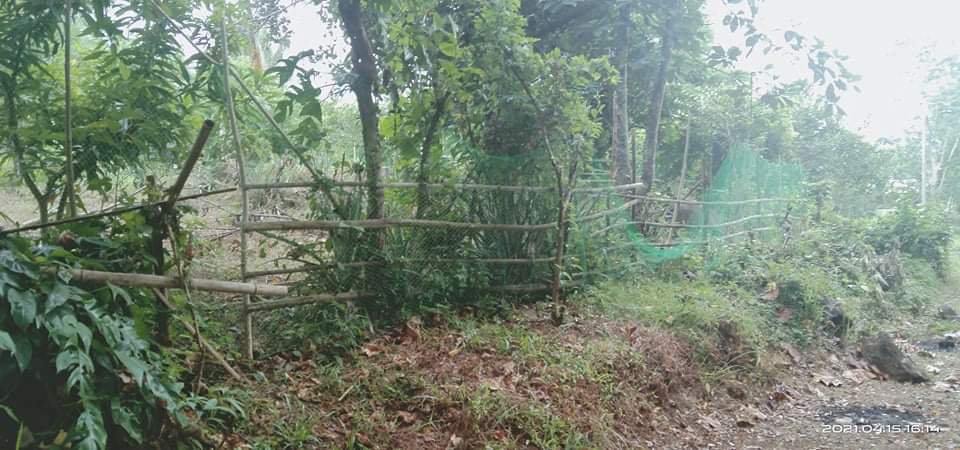
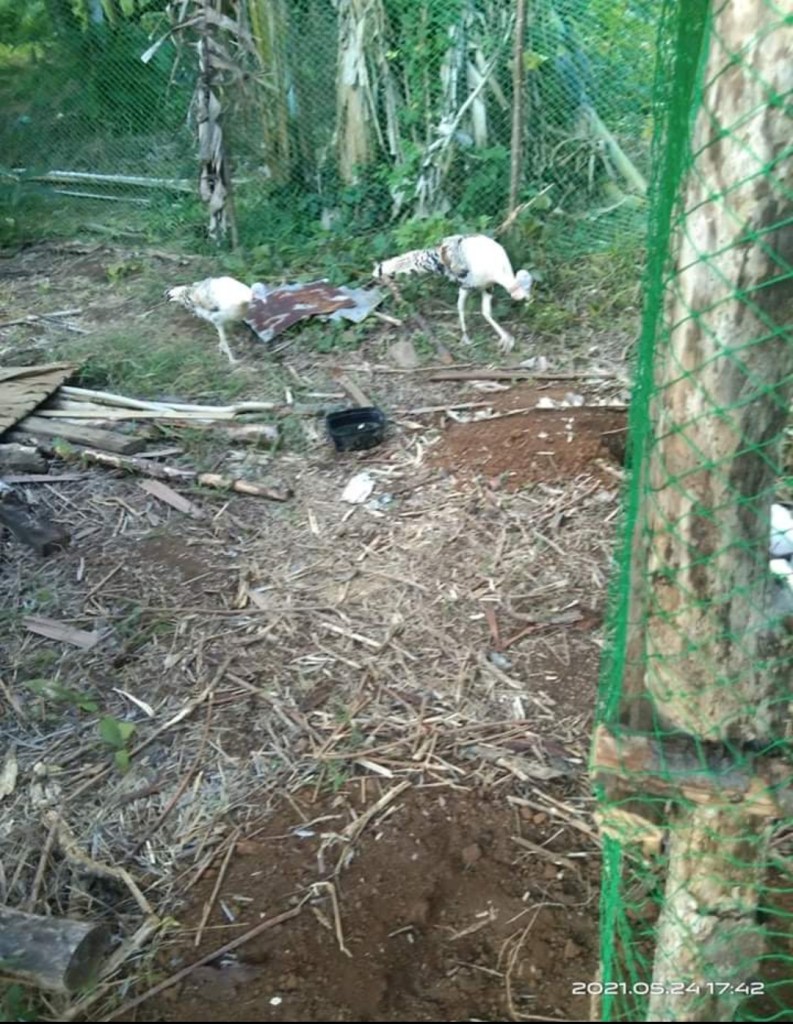
I/we hope to continue to monitor his progress in his duck raising venture. I wish him all the best of luck in the world.
The makeshift ducks pond is under construction. He only has 7 ducks to kick start. (Pending because of water issues).
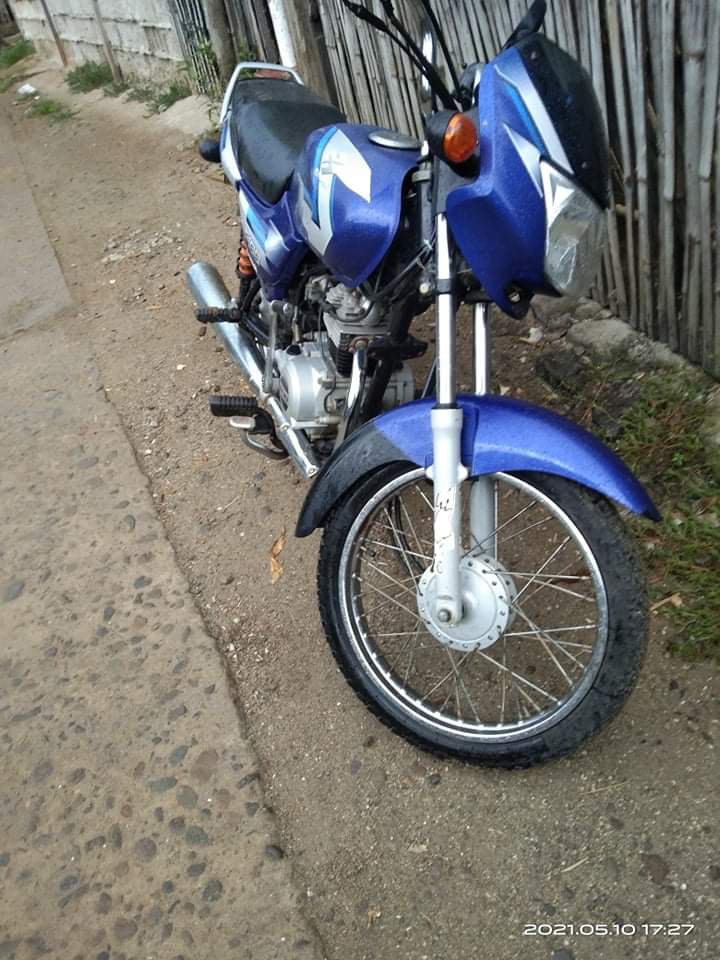
Richard’s situation is slowly improving. Another good samaritan bought him a second hand motor bike, an essential tranport for doing trade from the barrio going to the capital town about 6 miles away.

Richard,done some clearings on his yard.
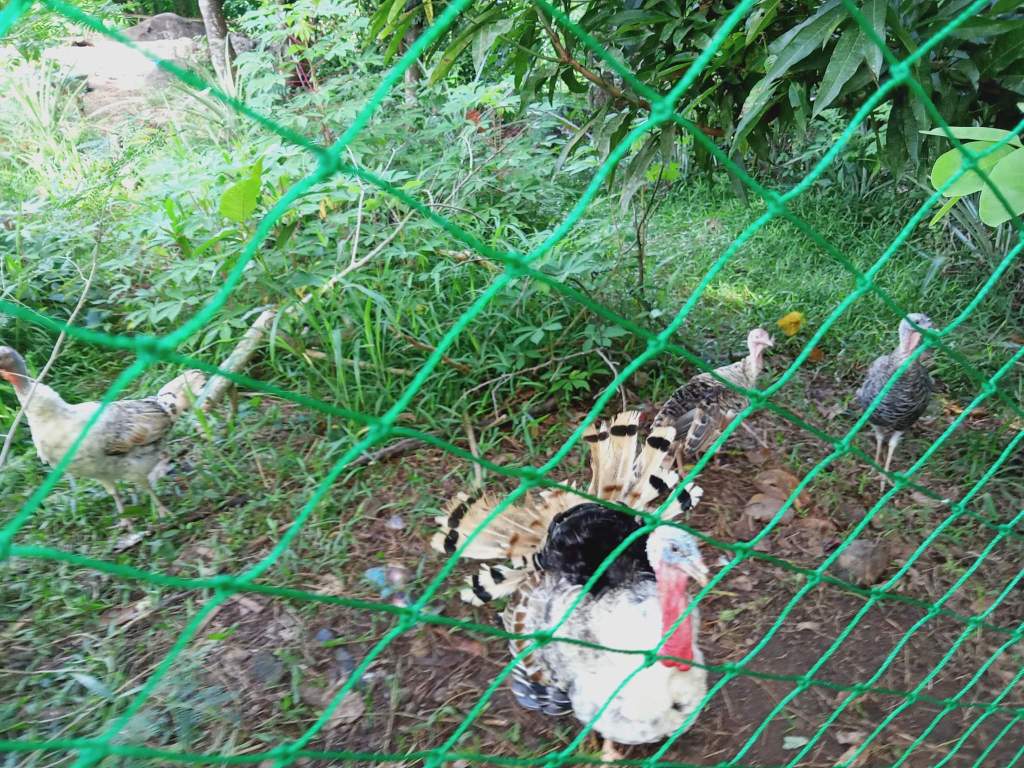
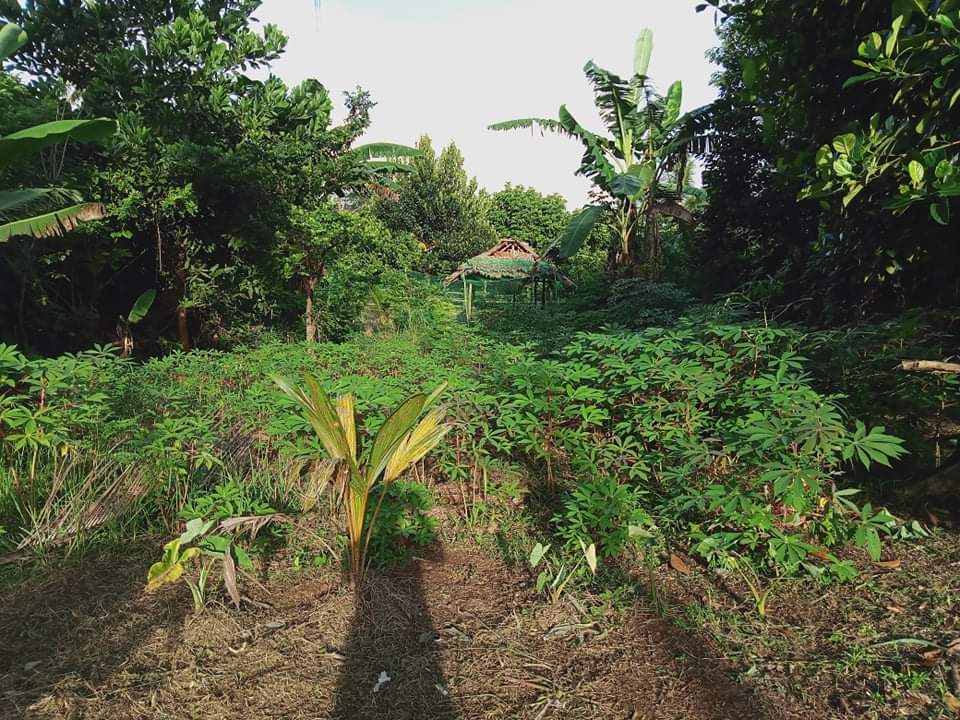

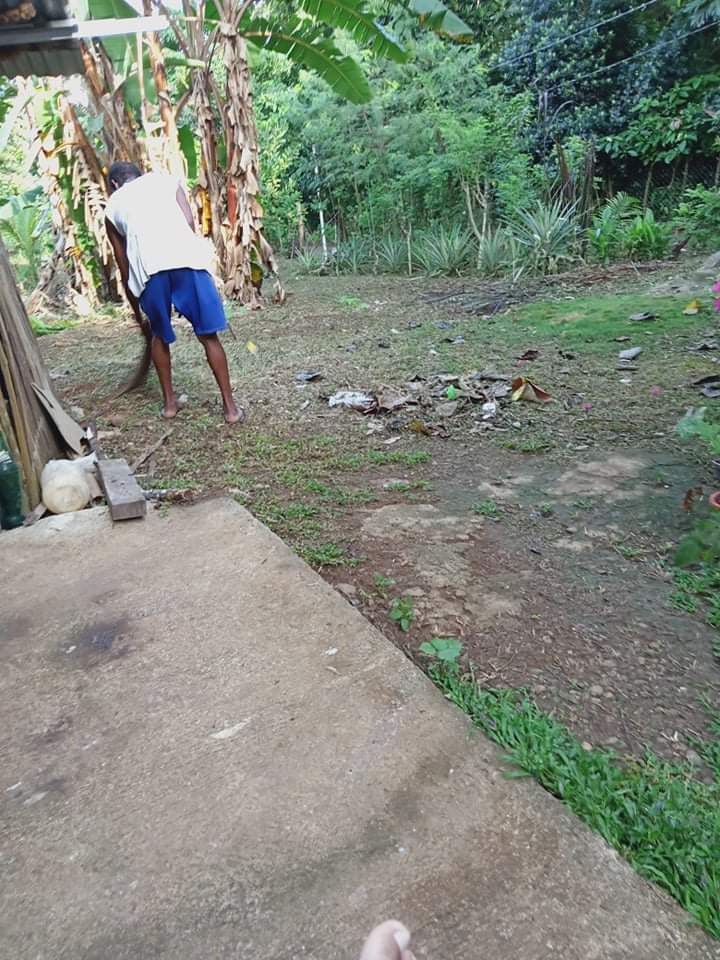
Richard’s agony was my agony too. Hopefully that’s over now. He is well into his 50’s . It is such a pleasure for me to see Richard situation now is in progress for the better.
Aha! bad news. I had an update from Leyte last week. Life seems not fair, just as we thought things are running well for Richard, sometimes things happen beyond our control, it is so frustrating because their water supply from the mains keep on disconnecting (local authority’s issue). Subsequently it’s affected people and animal lives. Richard had to fitched water from the distance for household use it’s a Calvary for him and his frail mother who live in the same compound. I’m afraid the livestocks development will be hindered and this also will add more stress on these poor folks, let me emphasize here these folks have nothing and to be cut off from the very basic needs, which is the water is a matter of life and death. Oh why! Oh why? My Delaila. What now? His problem seems endless. Should I have a magic wand I would put him on top of the world before he leave in this earth full of misery/hardship. I’m dying to see good progress on Richard. But how?
Now I am recheaching for possible deep wheel water drilling, maybe, if there is a windfall so that Richard could have undisrupted water supply. Finger cross.
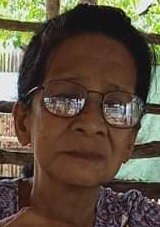
My informant updates me regularly of Richard’s activities, his improvement seems noticeable. It is a great pleasure upon hearing of such a good news, of course it’s excites me. Long way away yet before claiming full victory. But, hey! cammon folks, considering what he’d been through, he is already victorious. Yes he is.!
Just an update about his well being, in related to his alcohol drinking problem that has been escalated, it seems to me that there is no remedy to these, it takes some doings to come off from alcohol toxin sadly he/we are not in a position to send him to rehabilatation center to address his very issues. My good sister came up with some ideas, to collect coconut wine from coconut tree that are already in the compound so that Richard could have a drink readily available when his needs rises, so that any money that he have will goes to other stuff rather than spend in alcohol. As his skills are limited only to labouring, my sister ask local lad to do the coconut wine extraction (Sanggot in Visaya). There is a process on how to make coconut wine or tuba, some local folks knows how it is done, because if the coconut wine is not process it will turn sour which is not a bad thing if you are aiming for coco vinegar, but if it is for wine/tuba it has to be cured and the cured coconut wine is called bahal or bahalina. ‘Bahal na tuba’ is the soothe after by most folks who like to drink tuba. I agreed my sister with her ideas, so that Richard could continue to feed his alcohol addiction, well it is his medicine and is a short cut remedy. His livestock venture are thriving though and continue growing. Hooray 🙏.
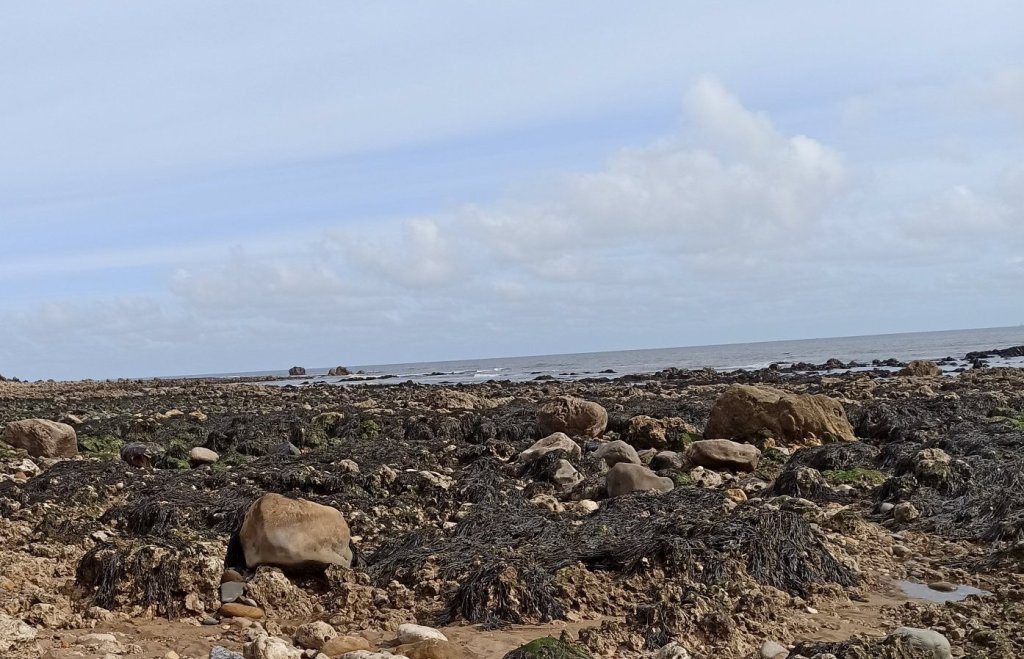
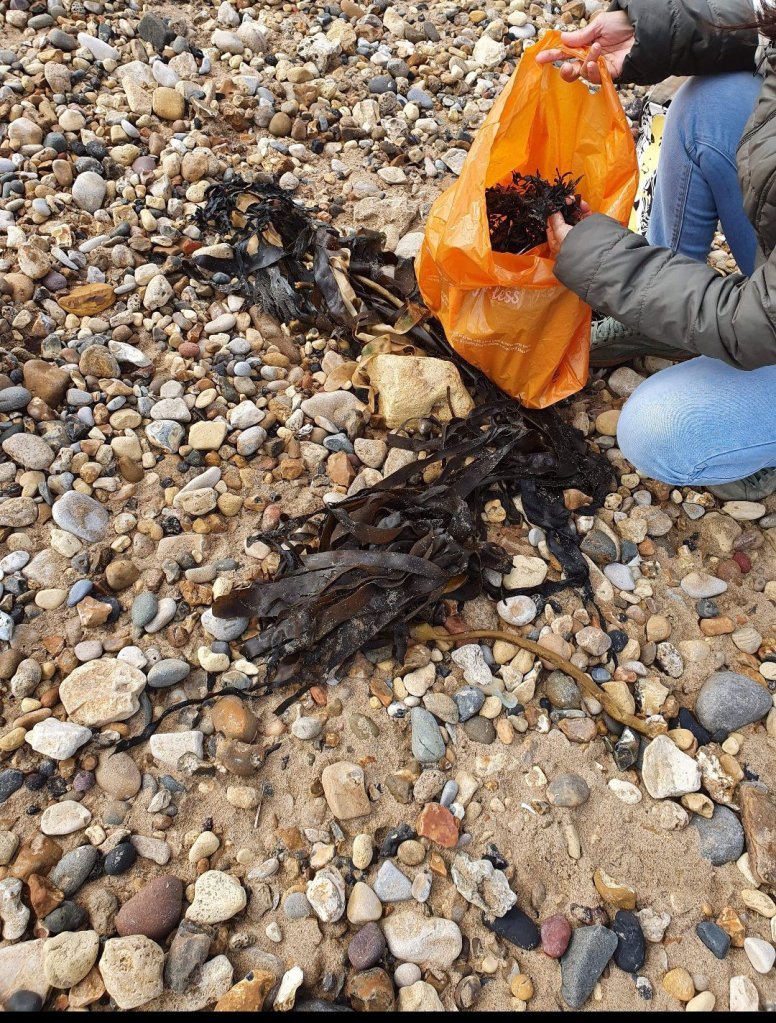
Today the sun is shining, skies are blue, slight breeze in the air, the tide is quite low and the sea were gently roaring the shore, Lu, I and Kleo are having a nice stroll in Roker Beach. Some people watching the world goes by, some numbers of people are queuing for fish and chips as it is traditional to have fish during friday and also it’s happened to be “Good Friday” today. Some foodstall seems to be enjoying the good takings too, a rare sight here in Roker beach front, of course fish can be eaten anytime we wish not only on Fridays. As we stroll along the beach lots of dried seaweed that are scattered around that has been washed off by the rough tides along with other debris and driftewood which can be used as a firewoods too. But I will leave the driftewood for now as I needed a crane to lift them from the cliff😂. Roker beach is a combination of sandy area, rocks and cliff. Seaweed on the other hand would not cost me a dime to transport to it’s final destination a.k.a to my meagre garden. I’m not an expert in here but I’m learning as I go along. Seaweed is commonly used in some other asian countries most notably in Japan for flavouring their dishes and cooking. Back home, during low tide we collected fresh seaweed (local name latu) and eaten them like a salad, and the other varieties has to be dried and processed before you could use them called gulaman. Gulaman has a gelly like texture that has many uses. Of course seaweed has plenty of uses not only for culinary but in some skin care products as well, sourced from google. These collected seaweed of mine are not for my soap making, I’m going to use them as a fertilizer for my roses. I will just mulch them with top soil and place them under the rose plants. There is other way of extracting the nutrients from seaweed. Place them in garden bucket or tub add water and let it stand for few days and strain. But I do things deferently, like a black sheep. Seaweed has many nutrients that are deem nessesary for the growth of the living plant. Some seaweed extract and other marine product can be purchase in nursery or garden center. I prepare my own foroging since there is plenty and it’s free. So seaweed is my new found friends to help aid my meagre rose garden.
Some folks promanaded along the beach, with others towing thier children and pets. Some just watch the world goes by, other enjoying the soft sea breeze and some eating ice cream. And me busy collecting seaweeds.
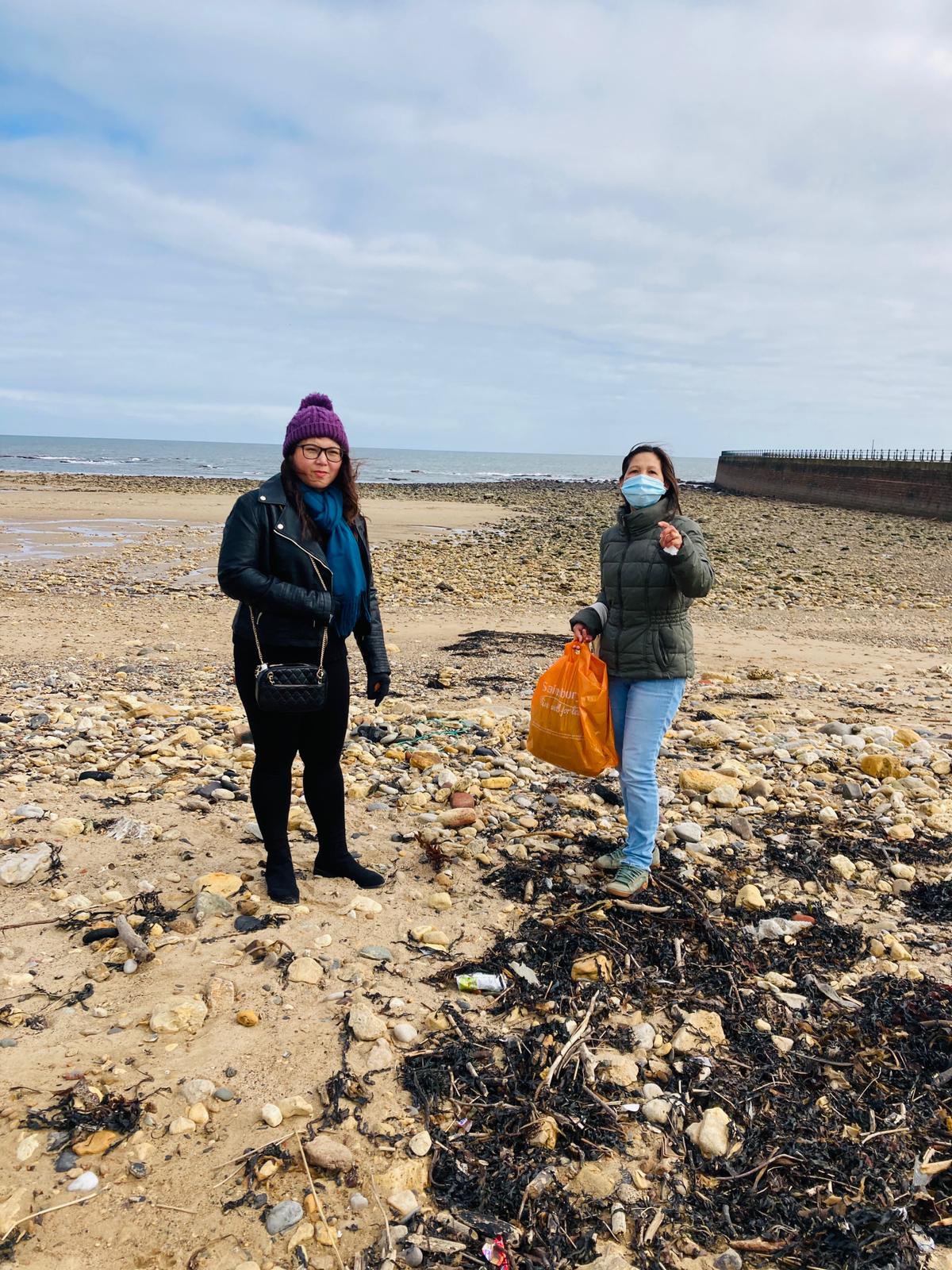

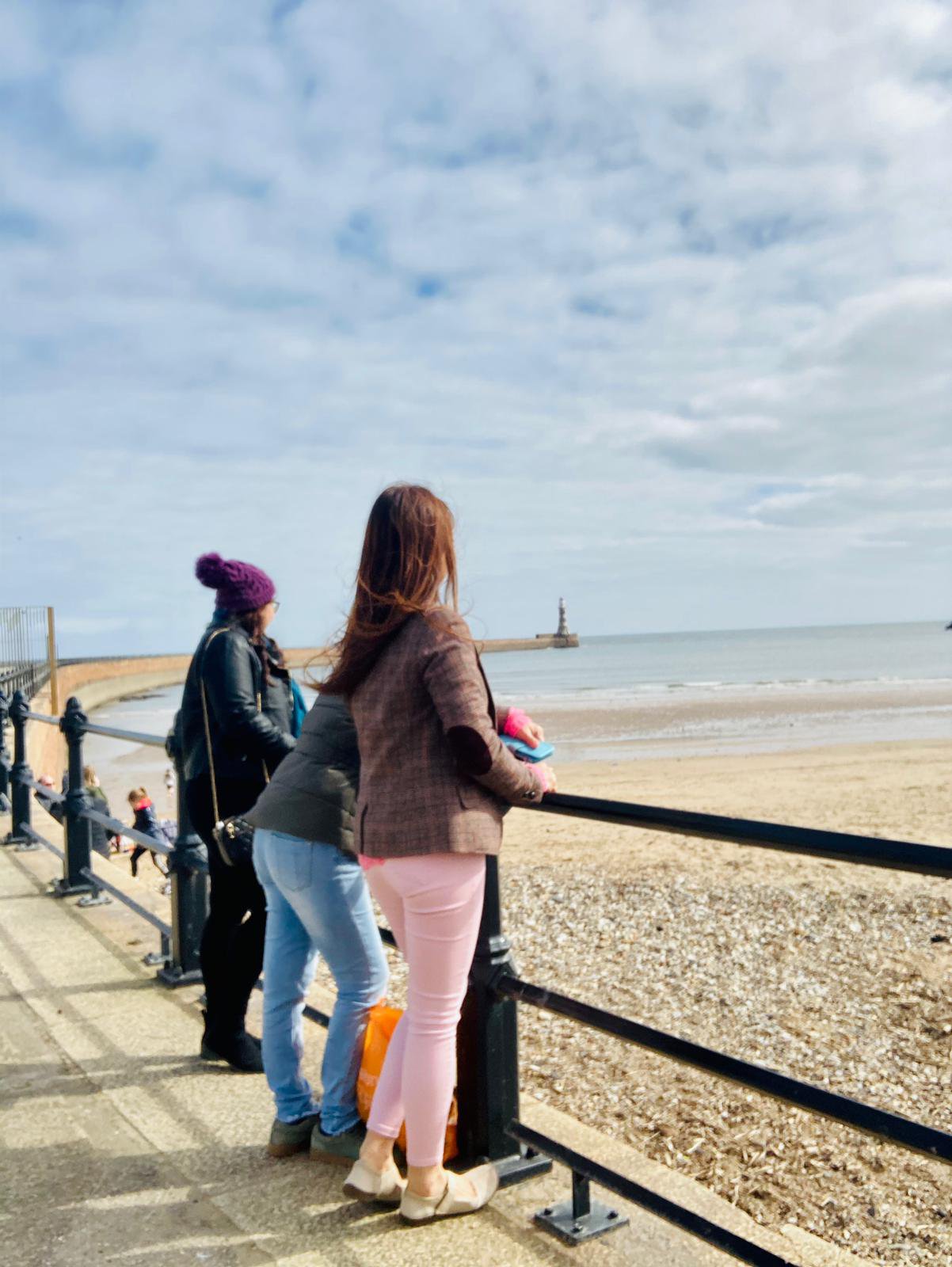

A bit rough 🌊 but otherwise mild temperature.

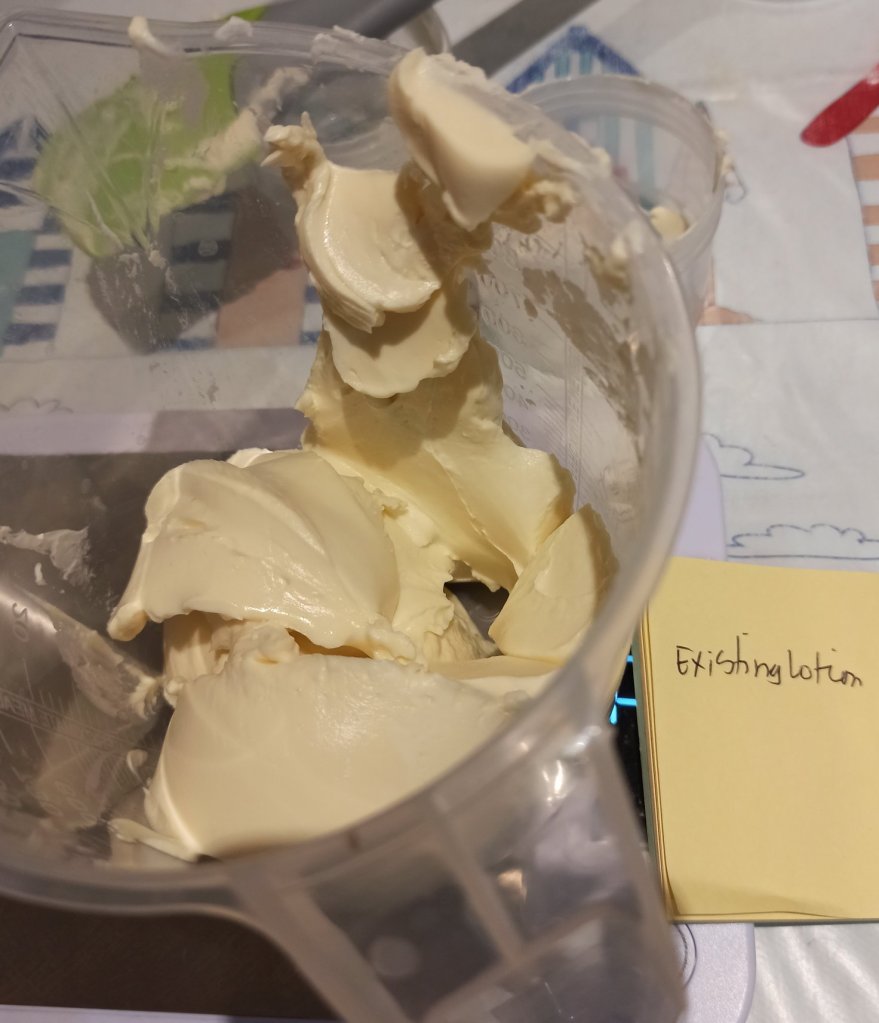
A total fluke. Here below , on the right, are my ingredient measurements for cold process soap. On the left below is the list of ingredients for my existing homemade cream that was too oily for my preference, but otherwise nothing wrong with it though. The cream was made from natural ingredients with a preservative. It just seemed a shame to throw it straight out without utilitising it first, especially as the ingredients were good quality.
A little back ground about the cream. Besides from soap making, I have tried my hands at other crafts too, since their ingredient have similarities and I have plenty of them. It does not make sense to me, to buy small amounts of raw materials that could become expensive. Using the same ingredients, for a spread of items, allows for savings on bulk purchases and also gives me the convenience of always have a stock, to hand. A good example of this is organic coconut oil which is very expensive in retail shops. However, buying from a good quality importer allows me to buy my Filipino oil at a reasonable bulk cost. Unfortunately, the climate here in the UK does not allow me to step into the garden to gather my coconuts for free, as I once could.
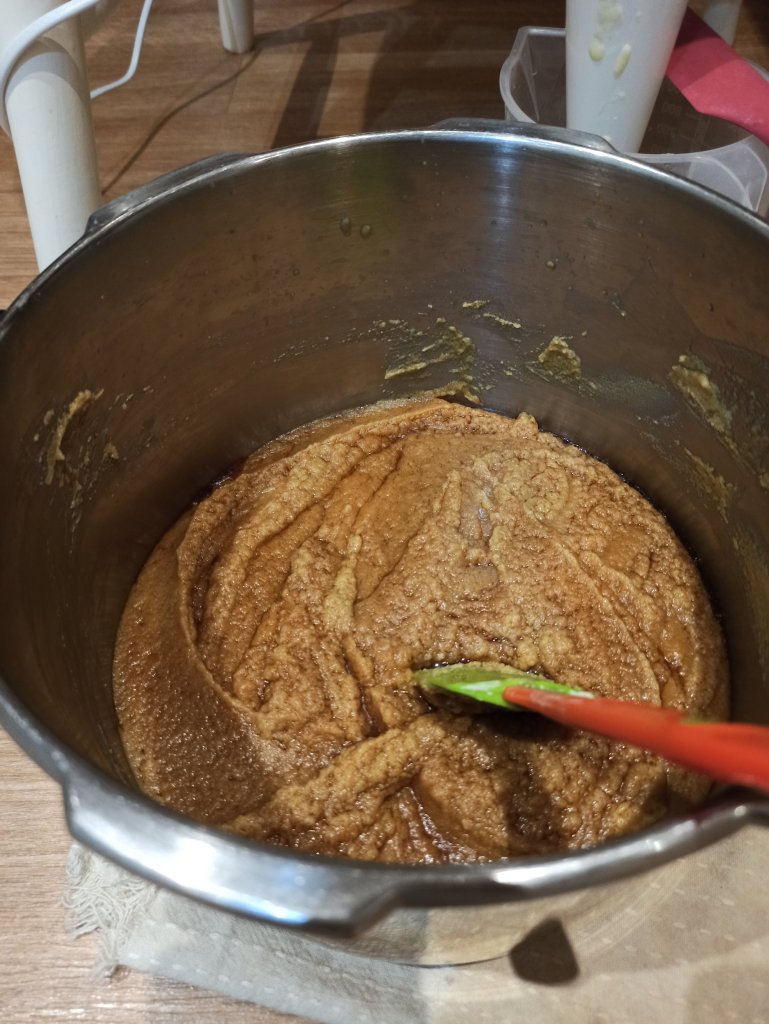
So, I decided to see if I could create a cold pressed soap using the cream as part of the process on the basis that it didn’t matter if this theory does not work because it was otherwise heading for the bin anyway. I still followed the steps in making cold process soap. When I was in the process of mixing the combined cocoa and mango butter it’s emmited a very nice aroma, almost like good enough to eat (not to eat though). I added 50 g of honey and 5g of sodium lactate, to help harden the soap bar, quickly. The batter became watery and I thought what a mess, I’ve made a pig’s ear in here, but I continued the process anyway. I actually wrote it off , and said it to myself it’s just an experiment.
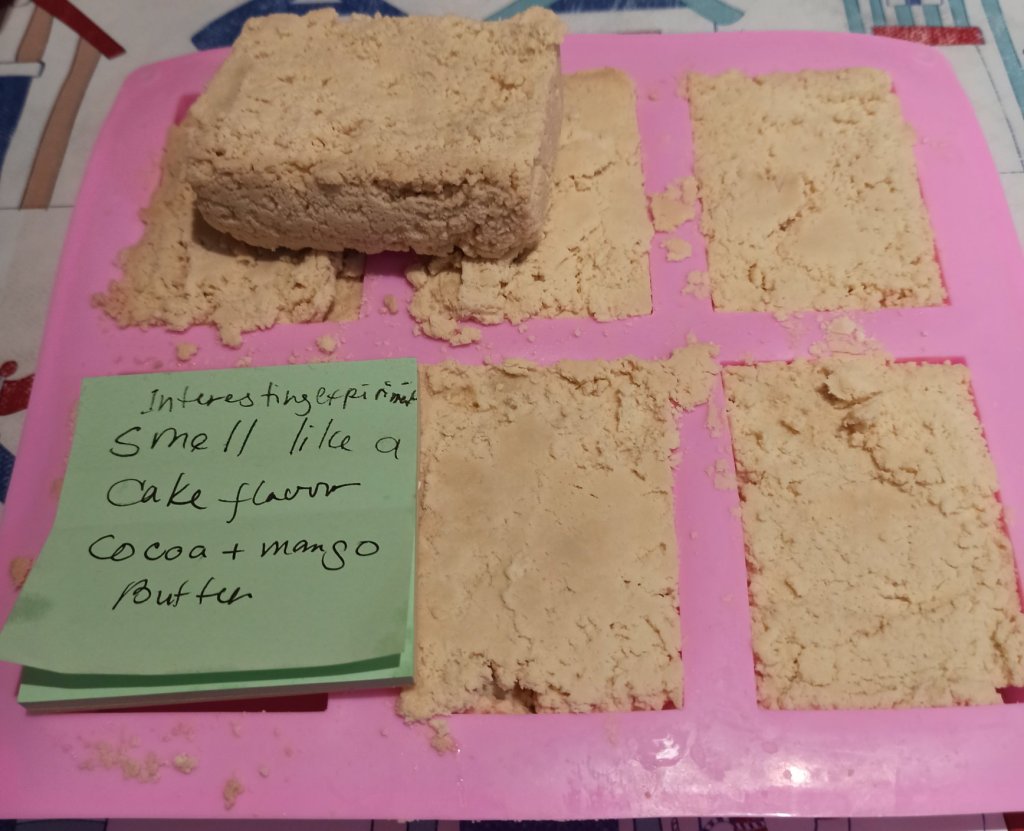
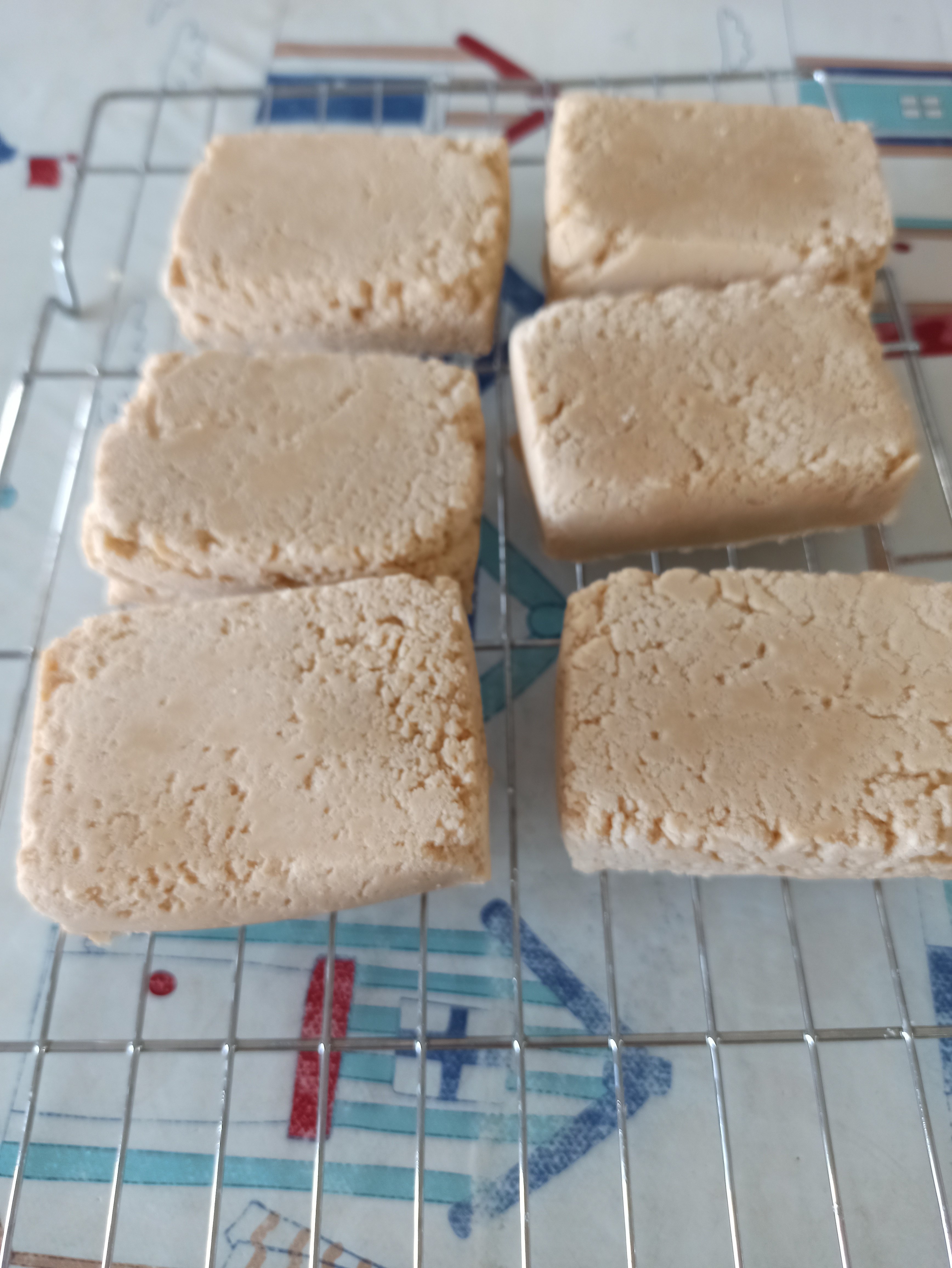
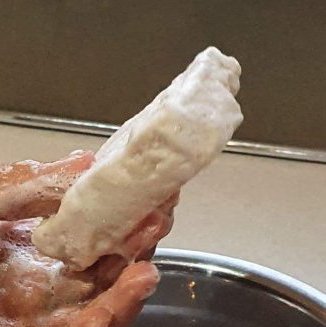
However, I reminded myself too that our forebears have done a lot in this area of making soap and goodness knows what kind of material they’ve used. It reminded me too of Argo soap back home more on this later. (Argo soap is a coarse soap often used for laundry purposes which is made by a South African Chemical company and widely exported) It was definitely not my normal cold process. So I continued the blending and transferred the batter into the moulds, knowing that this would probably be discarded the next day. But wait! don’t throw just yet, it’s actually looks like a pie and the scent is almost too good to eat. I followed my instinct not to throw thing away, unless it is so redundant. I let it sit in the corner, curing, for a few days. After that the bar was dry and hard enough to be tested to see out if it is indeed become a soap? To my surprise, hooray! It is indeed a soap with lots of lather and more gentler to my delicate hands too (joke). Below are the photos I have captured. So that’s my lotion/cream made into soap.
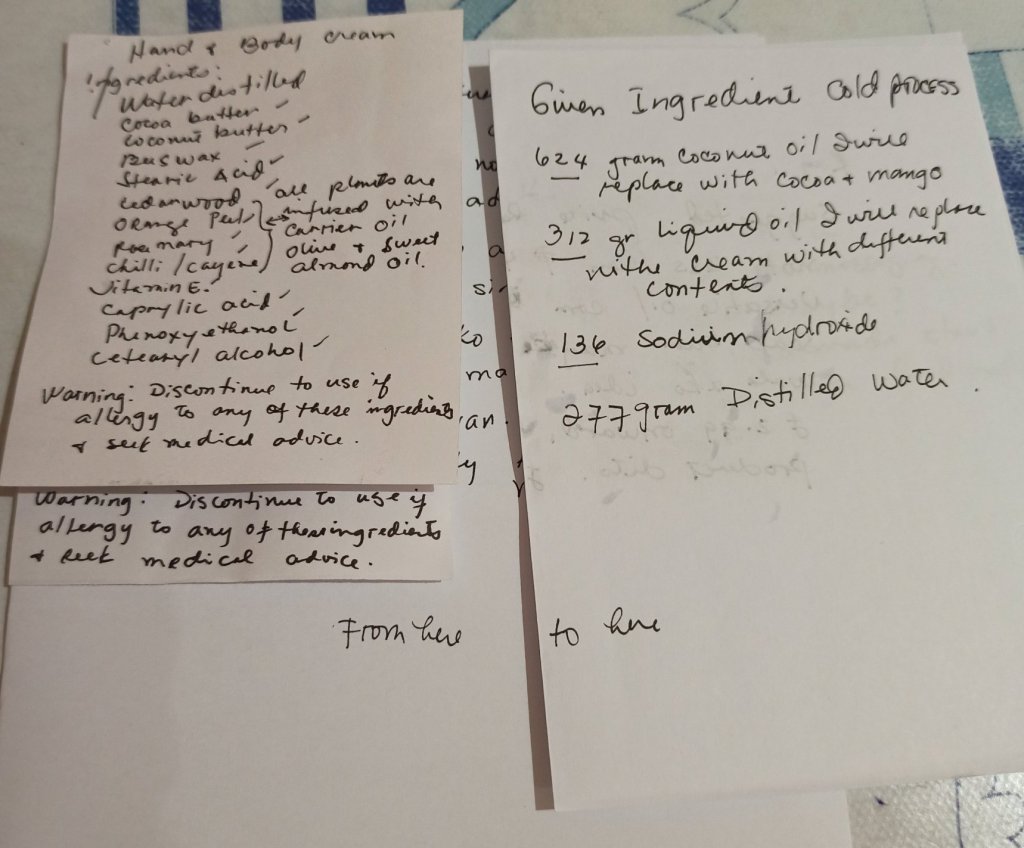
Here is how I did it. I replaced the amount of coconut oil or virgin coconut oil with mango butter and cocoa butter. I did it because I had simply run out of coconut oil and I combined them with my bin bound lotion. I melted the hard butter first and then added the cream and continued the process. In a previous post I already covered the health and safety in making cold process soap. I am very pleased that the outcome has become positive not from Corona virus, but with a soap with lots of lather. This might not look a beauty but who cares, it’s a soap and it will get used and I’m going to enjoy it knowing what the ingredient are it is so satisfiying. I claim victory here to my little experiment. Not a life changing victory though. It’s just fun on my part that I managed to utilize a good cream that otherwise would have been wasted.
Growing up in an island village of the Philippines, life was hard. There is no industy. The main livehood of local folks are fishing and farming for those who have land to till. Supplies of basic necessities are hard to come by. The main supplies come from big cities which we are far away. I remember that, fifty years ago, we could purchase soap bars for a few centavos each. (100 centavos to the Peso and P65 is about One Pound Sterling.) I can’t remember the exact amount it cost. Name of the soap bar was Argo, not to be confused with” Argos” from UK big chain shop. There were other soap bars too, but Argo was the cheapest soap that we could afford. It has a horrible smell, it’s hardly lathered, washing clothes are done by hands until now (exept the well off who can afford the washing machine), we rub and rub the Argo onto our clothes without hardly any lather. In the UK, my husband tells me that there was a similar green soap which was called ” carbolic”. Now I can compare that Argo soap to my experimental soap that I’ve made and mine is far, far so superior in quality. I’m not being arrogant here. My recollection of Argo was rock hard, smelled like pong and it was very poor but lots of good quality of soap are now on the market. Hello to my very own soap brand ” ffletch”, maybe.


Woodlands, Hedgerows and Sea-Shorelines are great places for foraging and we are blessed with all of these in and around our little home town on the coast of North East England
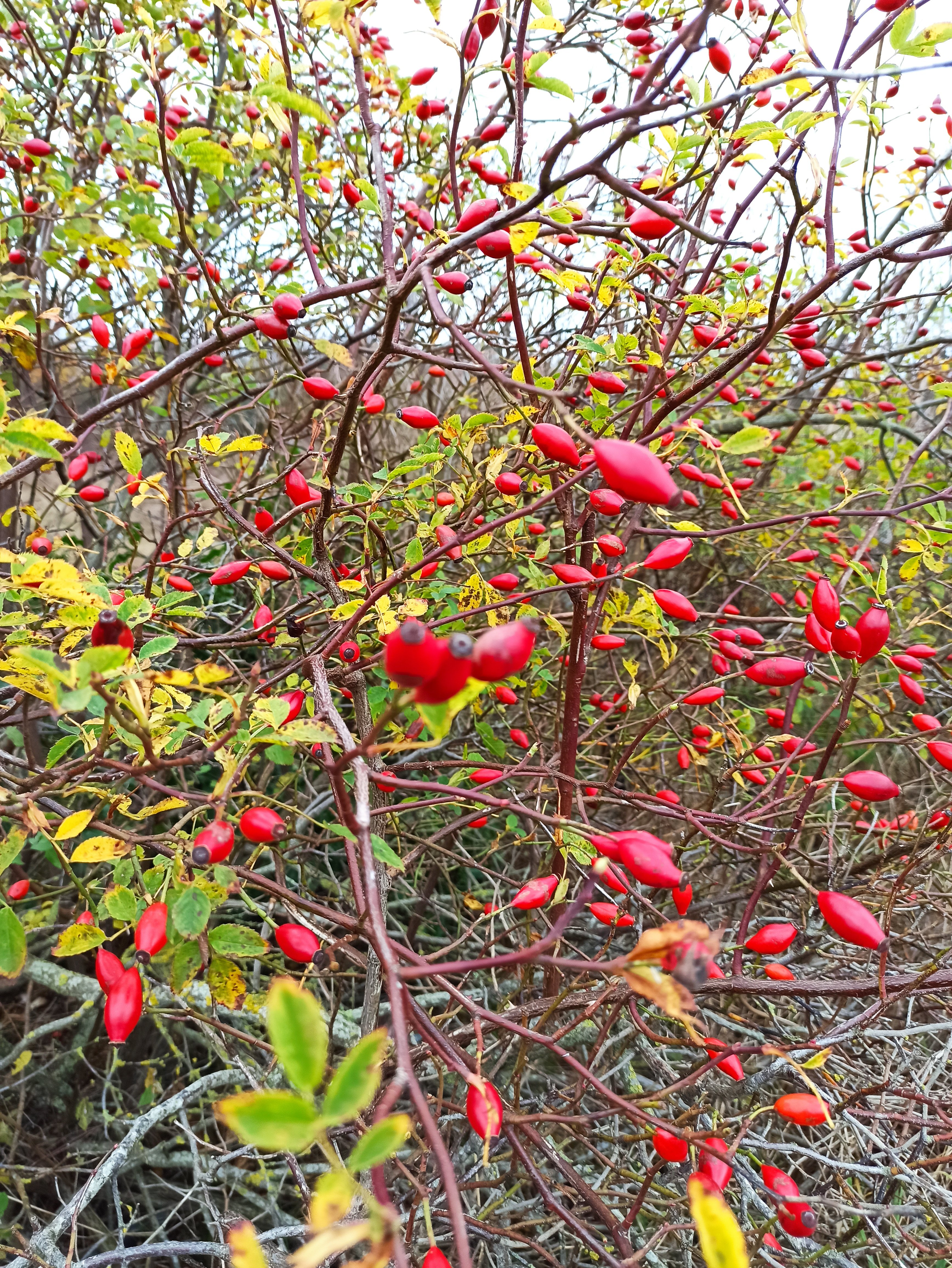
Free ingredients for cold process soap. The journey is long and winding, but I have ample of time on my hands, so instead of just ordering rosehip powder from ebay or amazon I decided to collect the seeds myself. We are blessed with an abundance of naturally growing wild plants, where we live here in England. Traditional havesting time for fruit bearing trees or bushes is autumn. I only collected them ripe red and firm just to serve my own purpose. I discarded any beans with blemishes and return them to the soil or compost heap in our garden. I leave plenty for the birds too.
I wore old jeans, Wellington boots and an old cotton top/coat to protect me from rose bush thorns. I also have a walking stick, not to aid me for walking but to hook the rose branches towards me, very carefully, so not to let the branch swing on me. There are a few varieties of rose bushes and some variety are more thorny than others. I only pick rosehip from less thorny bushes and the most accessible ones. It was nearing the end of the season, November, and I gathered enough rosehips for my home handcrafted soap making.
Foraging comes naturally for me because growing up in a small village in the Philippines where I came from, as children we could roam freely with friends. We went to pick/collect guavas and santol fruits (wild mangosteen, in English) in the wild or at a nearby government owned land that we called the hacienda.

Santol fruit come from big tall almost gigantic trees when they reach maturity so it can be quite dangerous to pick their fruits. It is usually done by some fearless boys who can climb the trees. Guava is easy to pick because it’s only a bush tree. Both fruits have some kind of sourness and sweetness that depends on it’s variety, but both have distinctive flavour otherwise. Like rosehip they are known to be loaded with vitamin C.
Guava leaves are used, in my family, for first aid. When a child, I had a wound on my leg and I still have the scar. I was in agony for a long time. (There is no NHS there) The small wound became infected. I recall that I was limping and should have had my walking stick back then . My aunty, who passed away many year ago, who came to visit us, took action and give me first aid. She collected guava leaves, boiled them to release their medicinal properties then let them cool down to a warm temperature. She washed my infected wound on several occasions…. tada… my infected wound was healed. Therefore I concluded that guava leaves are medicinal. I could add them on to the list of my soap making ingredients the next time I set foot in the hacienda. They are the fruits that I have missed along with a few others too.
I never saw a rose bush back home. Maybe there are some up in the north of the Philippines, the Mountain Provinces, because of the cooler temperatures there.
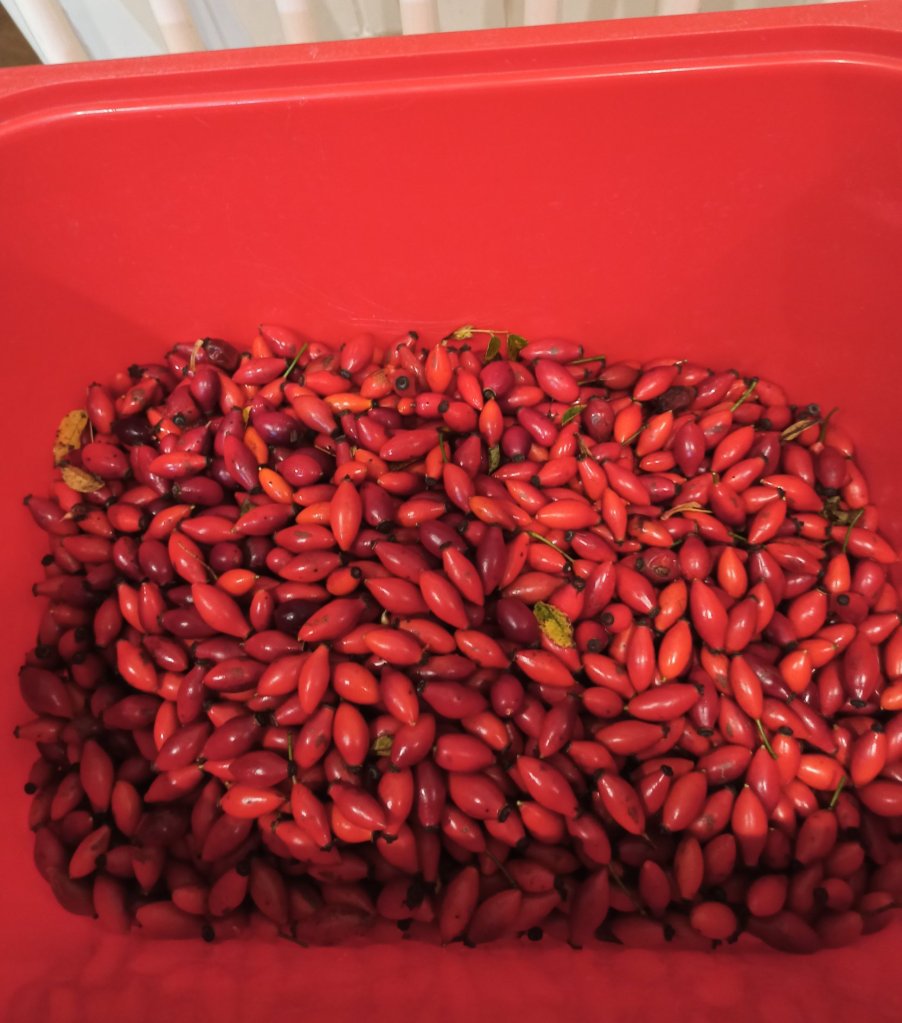
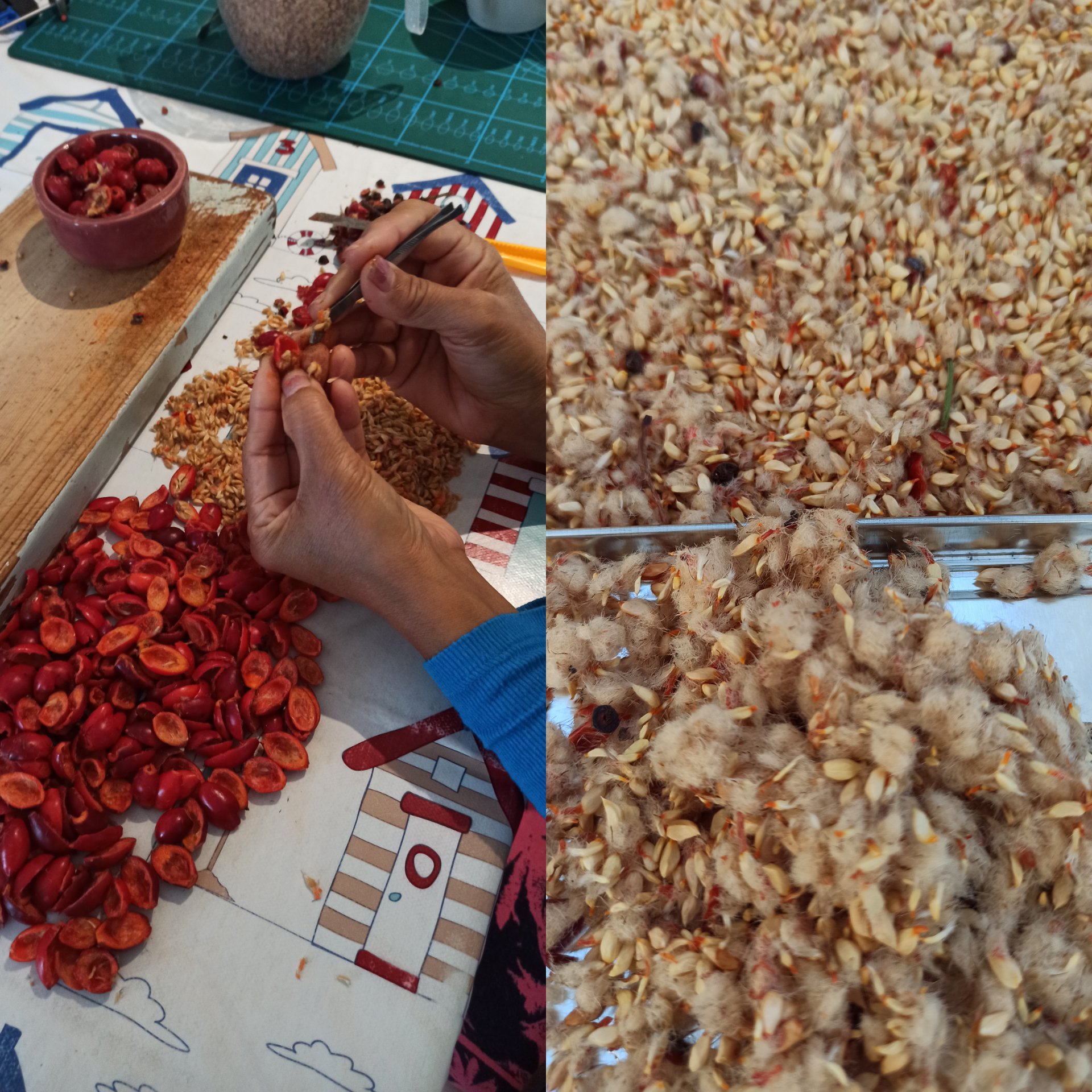


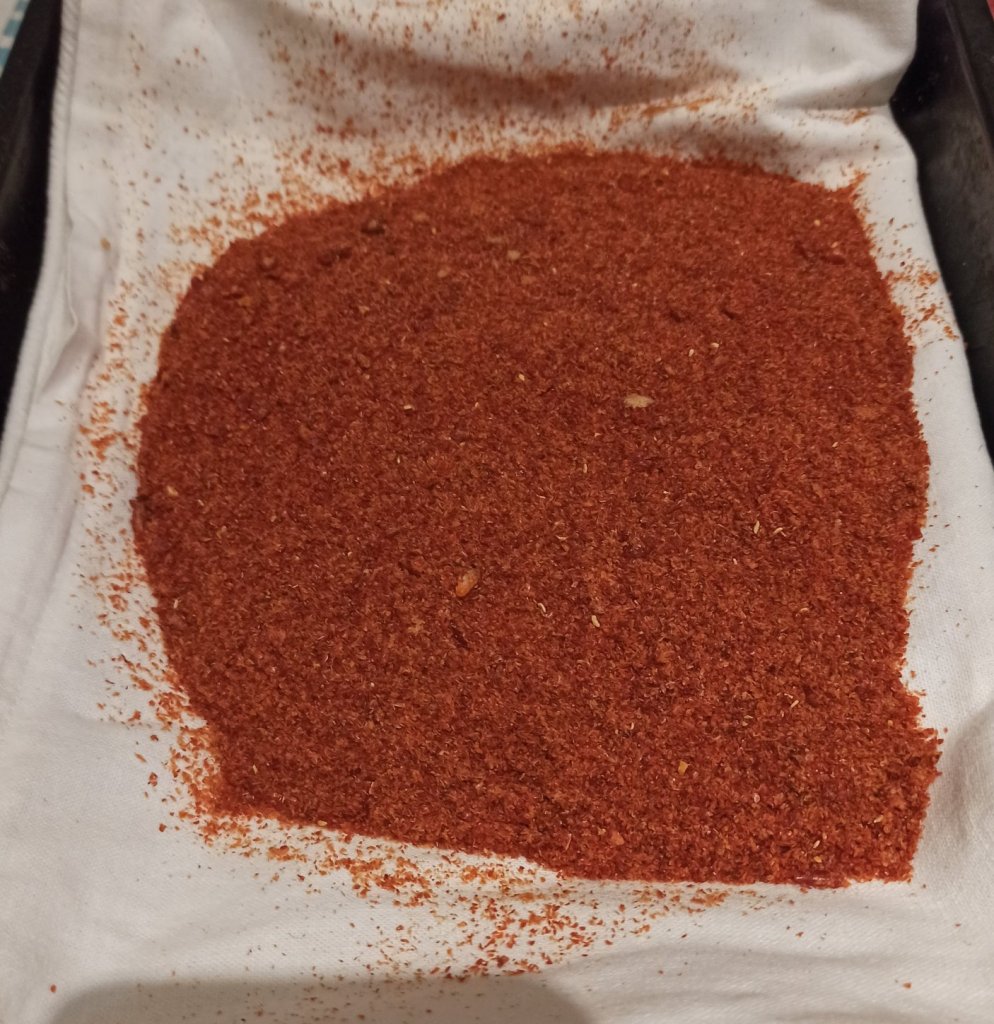
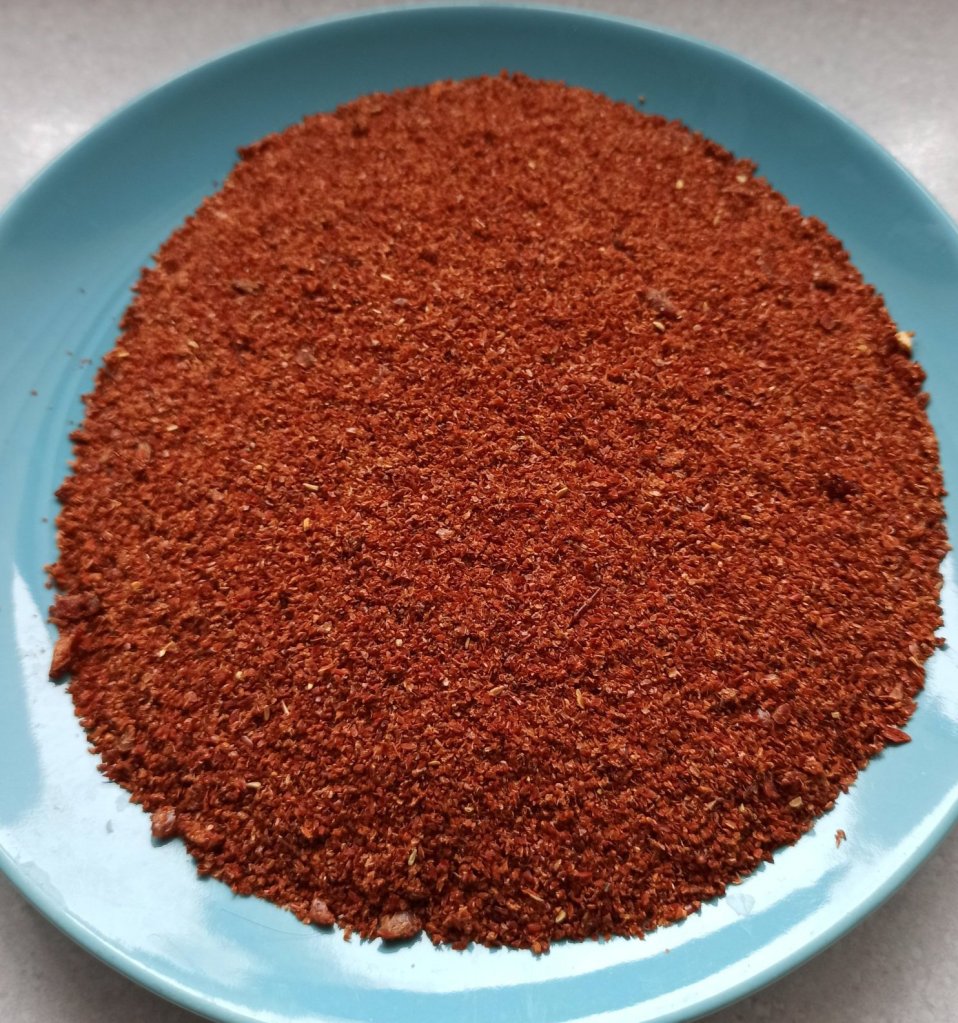
There are many uses of rosehip. Let us not be confused with rosehip and rosehip seeds. As you can see from my picture above, I sorted/removed the seeds from the fleshy rosehip, The rosehip seeds are very hard to crush and I failed to break them using mortar and pestle and my domestic electic oil expresser. Only expensive commercial machines have the power to crush them. However, the fleshy rosehips are easy to crush using a basic kitchen blender to make powder. I used a bullet blender because I already had one to hand. I made myself a rosehip powder cuppa. Loaded with vitamin C but the vitamin C content is reduced in the drying process. The flavour is slightly sweet and tangy and I added a dollop of honey. I also tried it without adding honey. Of course, I used them for my handcrafted cold process soap. It gives a natural colour to my soap bars. I varied the amount of rosehip powder within the limit allowed in my soap ingredient calculations. The more the rosehip powder you use, the darker the colour, thus less rosehip powder gives a lighter colour.
I have also tried infusing some dried rosehip with carrier oils like sweet almond oil and olive oil but I will leave this topic for a future blog.


The lather produced is the same for both of the soap bars above.
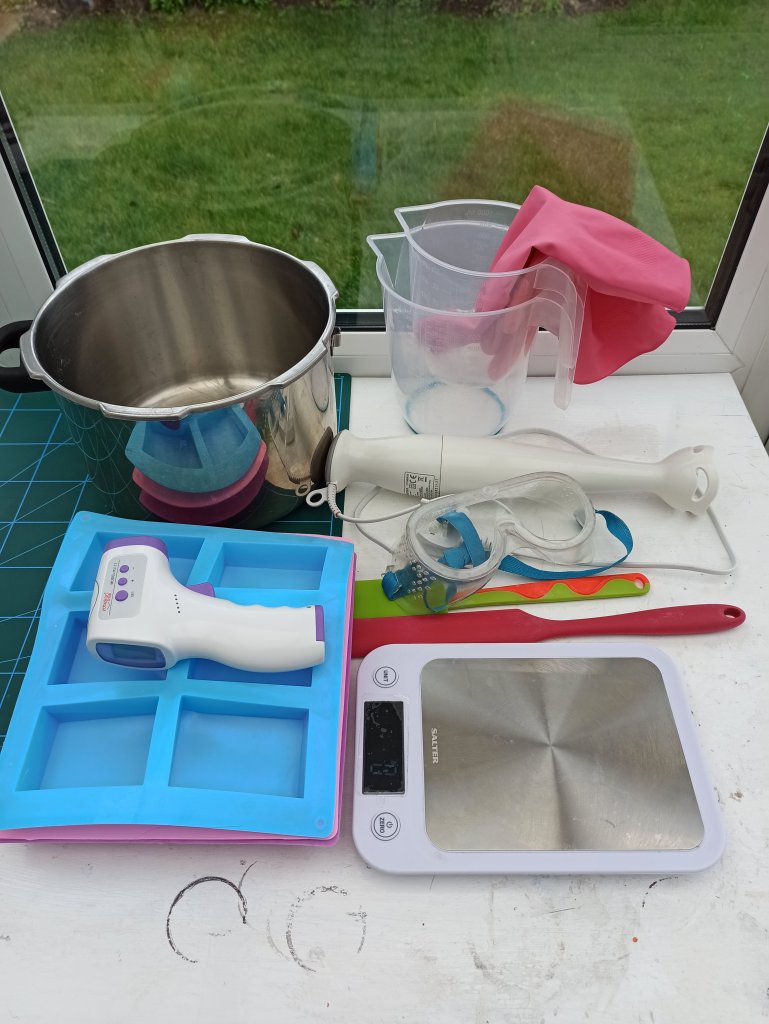
This is how I make soap. Its only a small batch, but it is possible to make bigger batches by simply increasing the weights proportionately according to the recipe below.

624 g coconut oil
312 g liquid oil
136 g sodium hydroxide or lye
272 g distilled water
Now I will try to experiment with various oil and butter (mix and match) base on the given weights above.
Please read my previous post for health and safety.
I have mixed coconut oil(hard oil) with cocoa butter(hard). I replaced 100 g of coconut oil with 100 g of cocoa butter. I’ve separately mixed the liquid oils listed below.
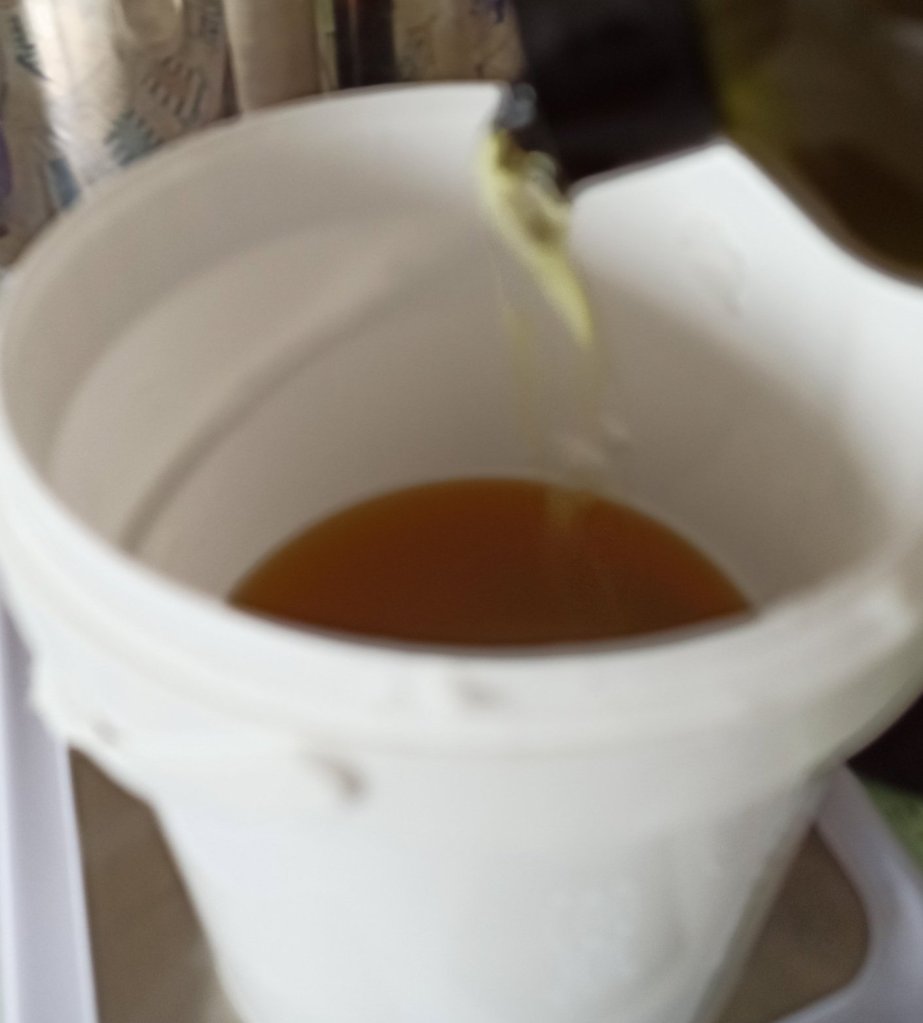
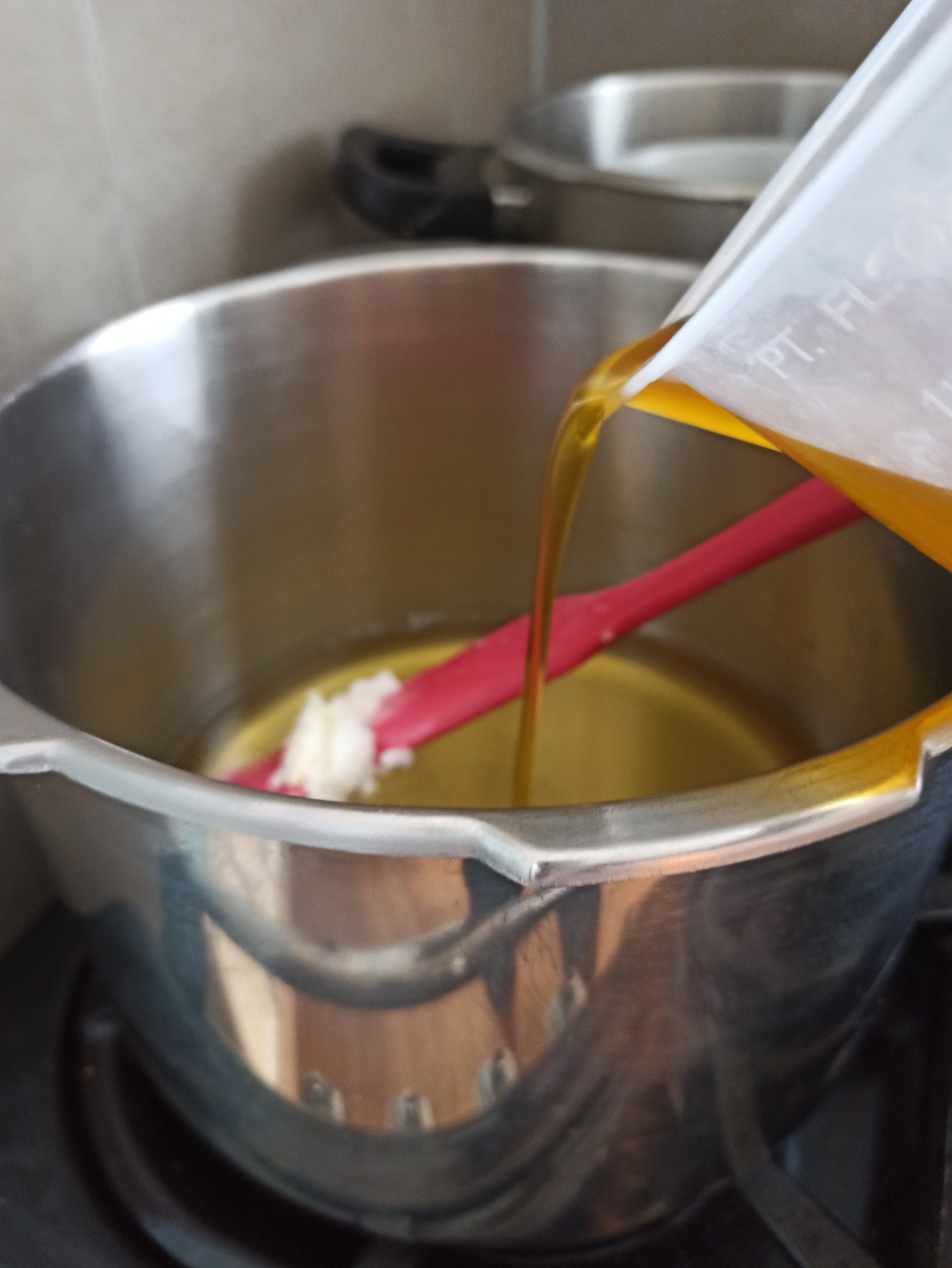
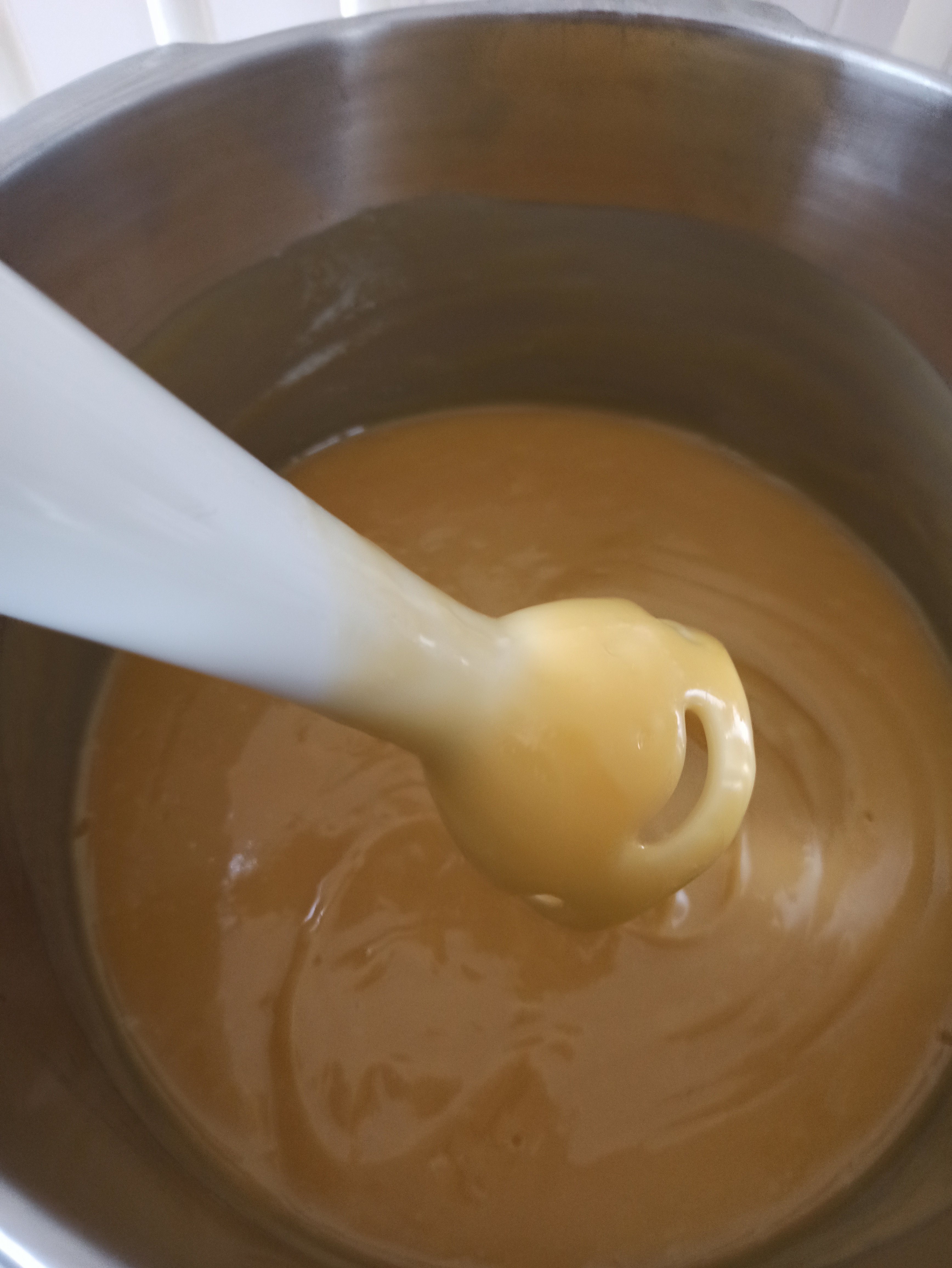
I added the lye solution gently into the melted combined oils. Then using a stick blender with the head under the liquid surface, I began to mix in short bursts of a few seconds each and continued blending until the mixture reached the “trace” stage. In this case I’ve overdid it and made the trace thicker than I intended to.
At this point the mixing is over and now the essential oils and textures can be quicly added. This is the point when artificial colourants and chemical fragrances can be added. (I don’t use any of these)
This mixture is known as “batter”. I then poured the batter into the silicon soap moulds where the soap “cures”. It is usual (not essential) to cover the moulds with an old towel or similar, to insulate the setting mixture, for about twenty four hours. The individual soap bars can then be stored (not stacked) in a well ventilated place for a period of four to six weeks. This allows the soap to fully cure when all the water and lye is evaporated.
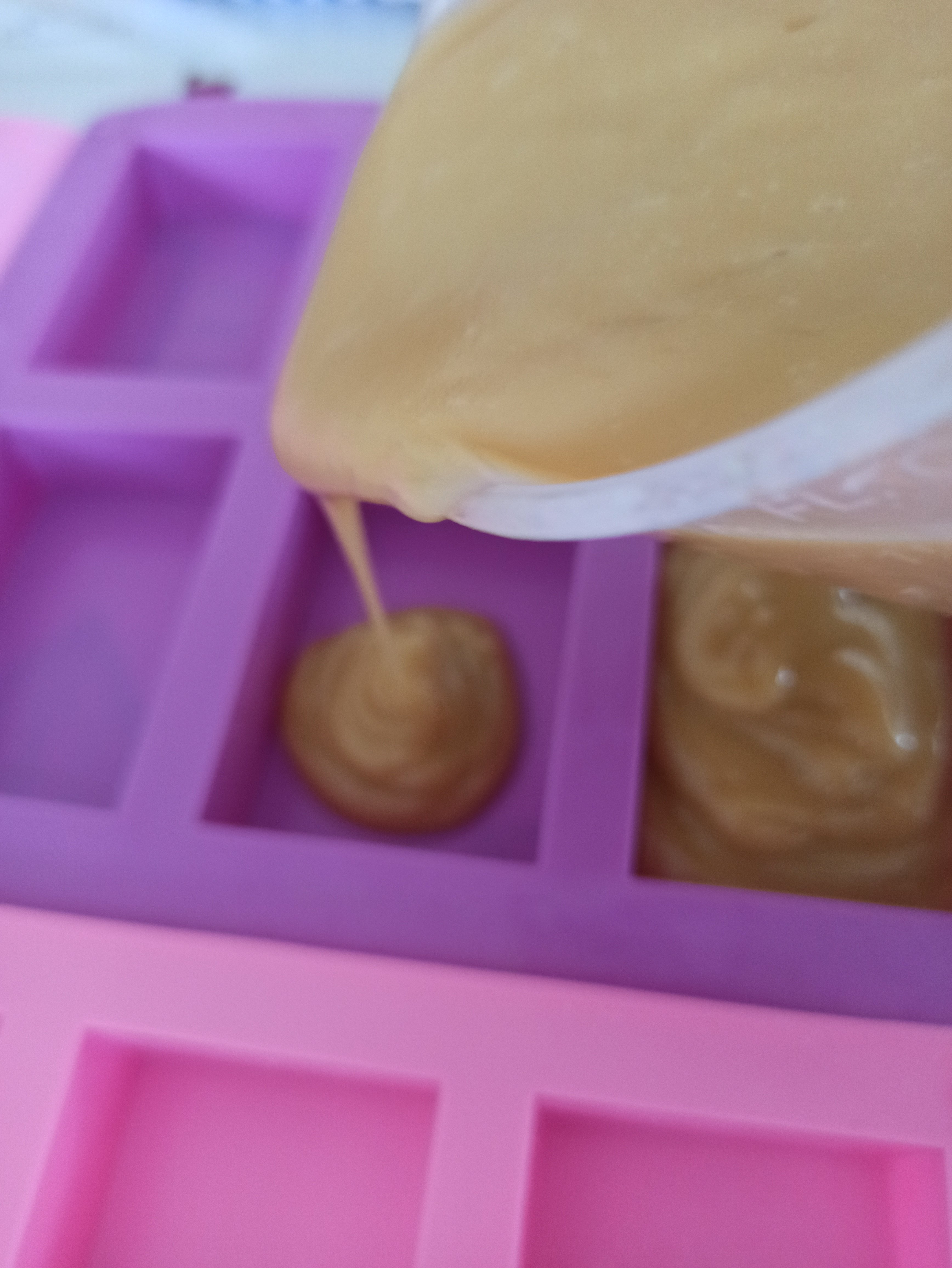
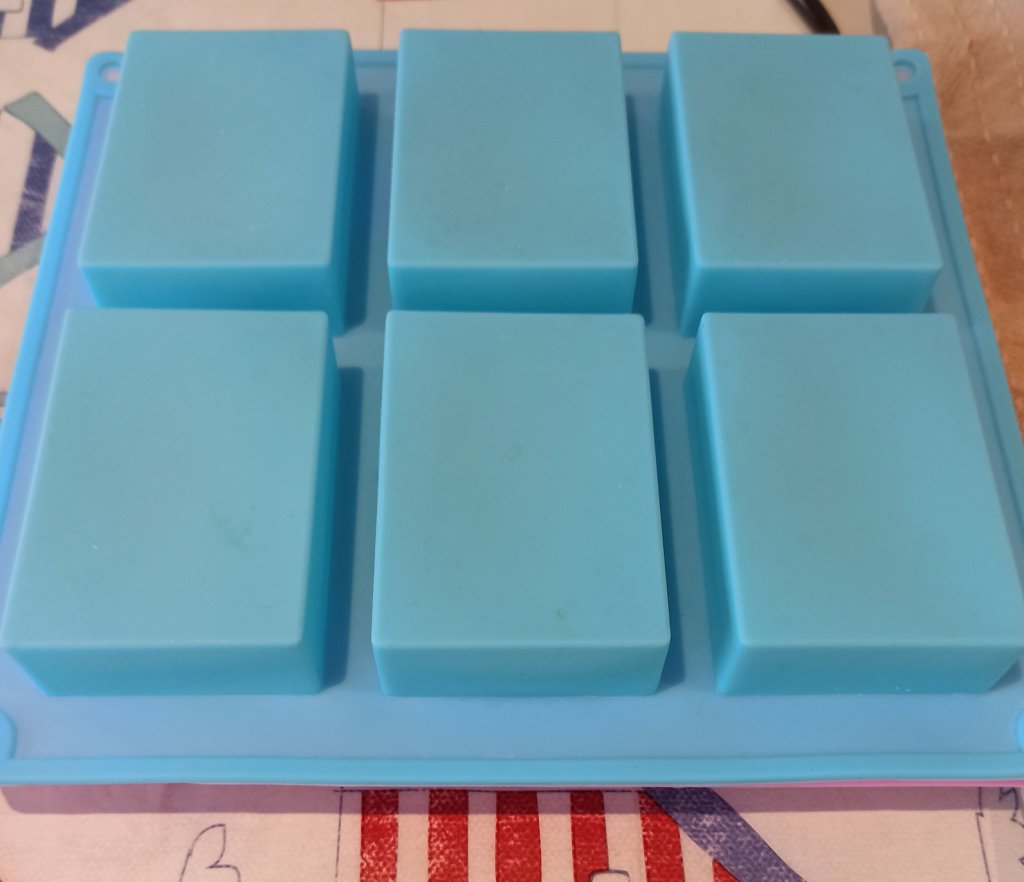
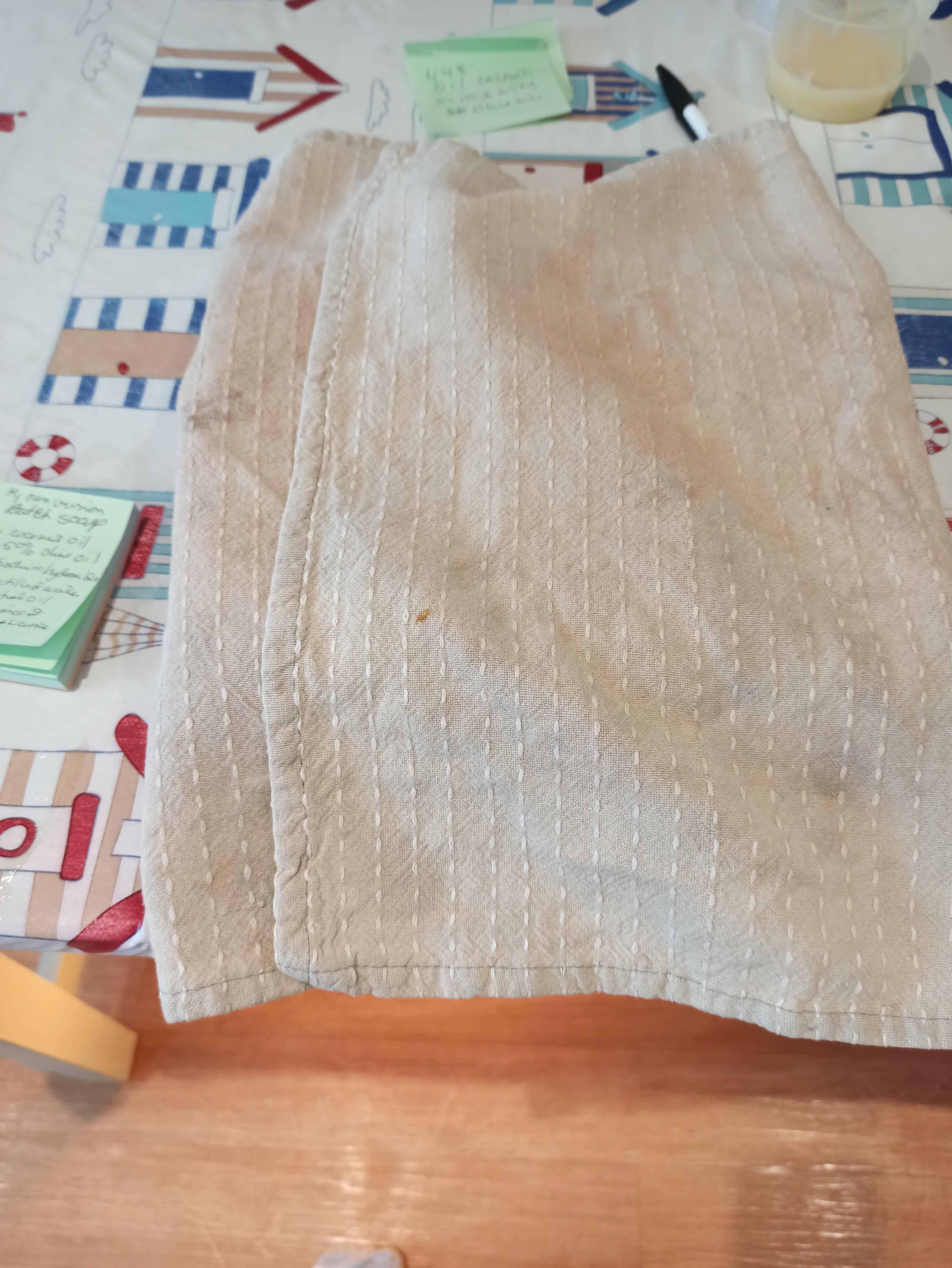

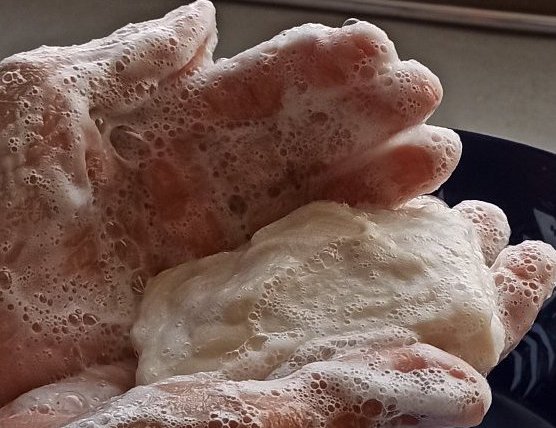
And the verdict is so satisfying with lots of lather, though there is only a hint of cinnamon scent.
These are only few days old. It’s best to let them fully cure or harden before using.
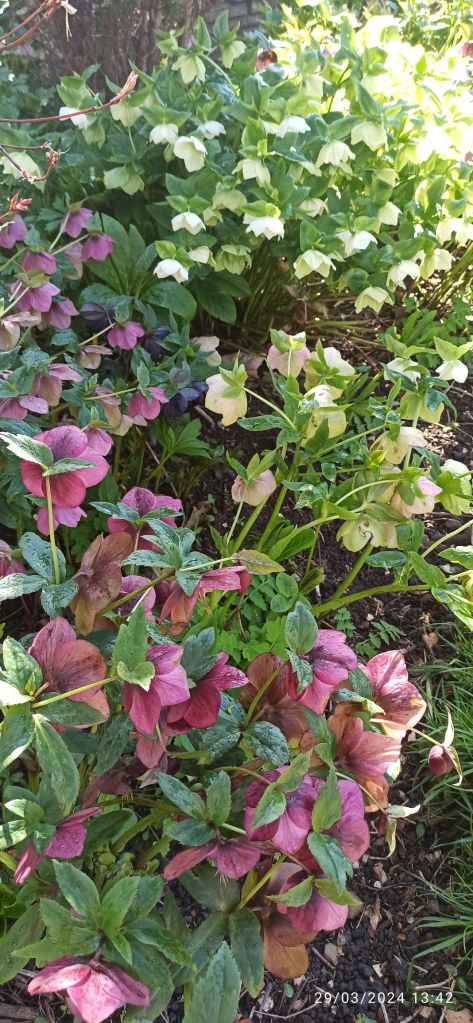
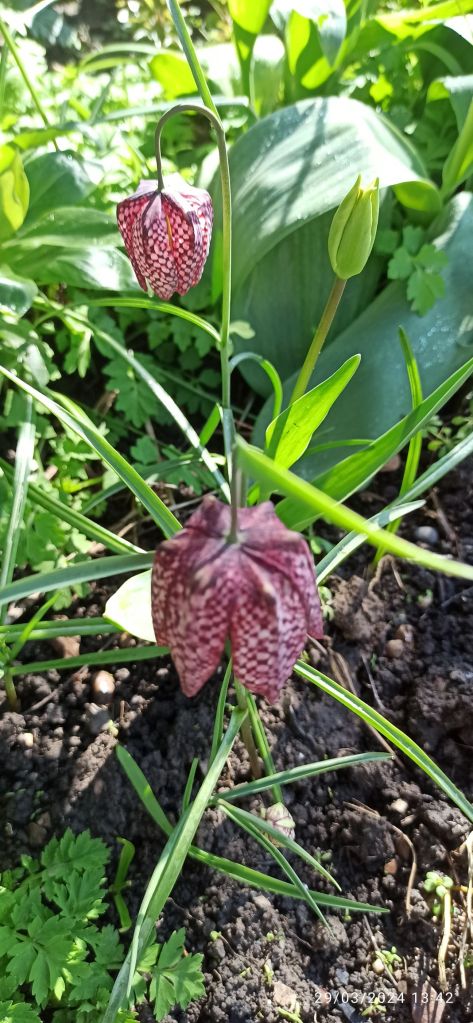
Off to my meagre garden. Gardens can gives pleasure. Big stress reliever and a refuge. Spring 2021.
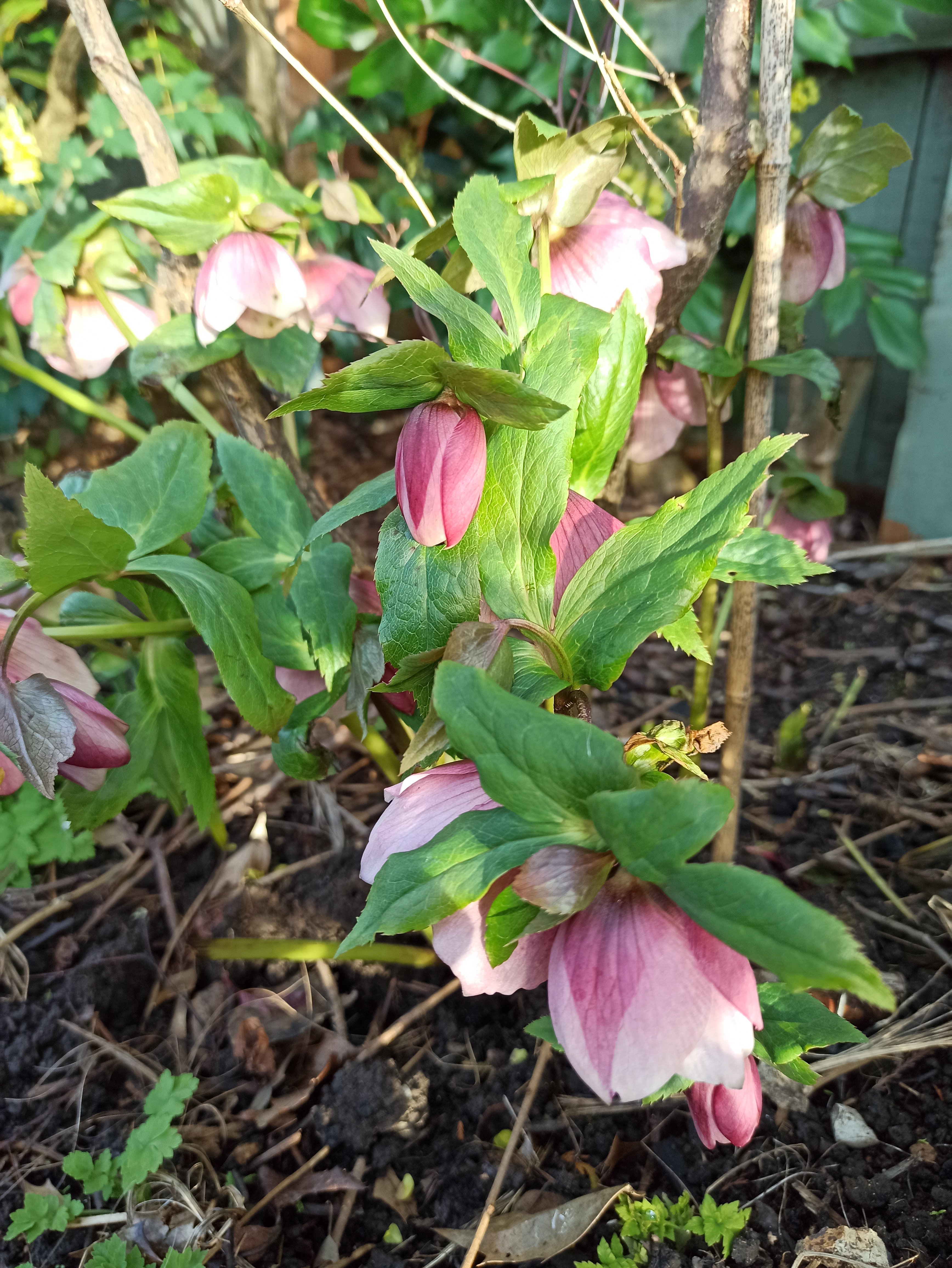
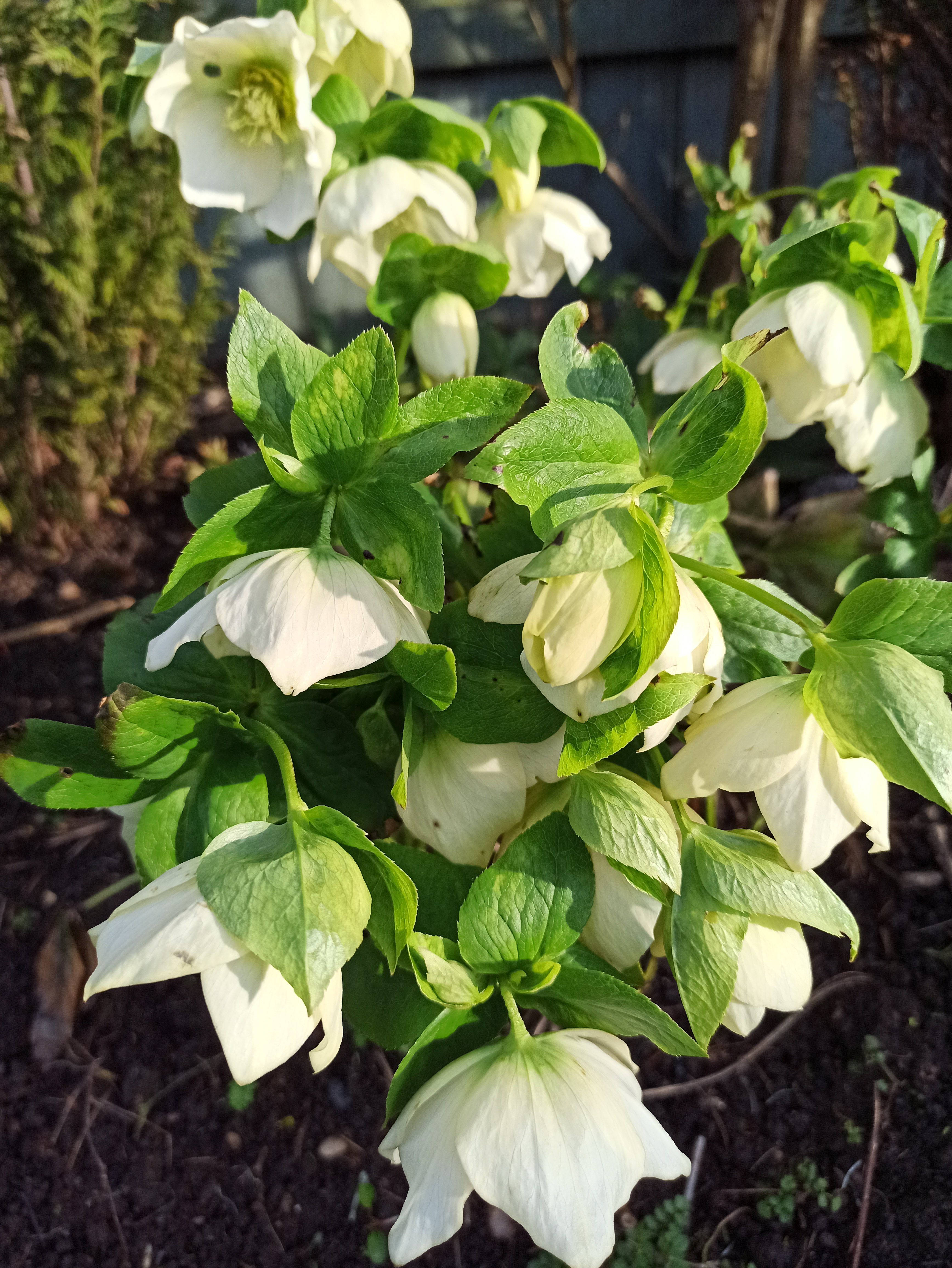
These are photos that I took, in our garden, today.
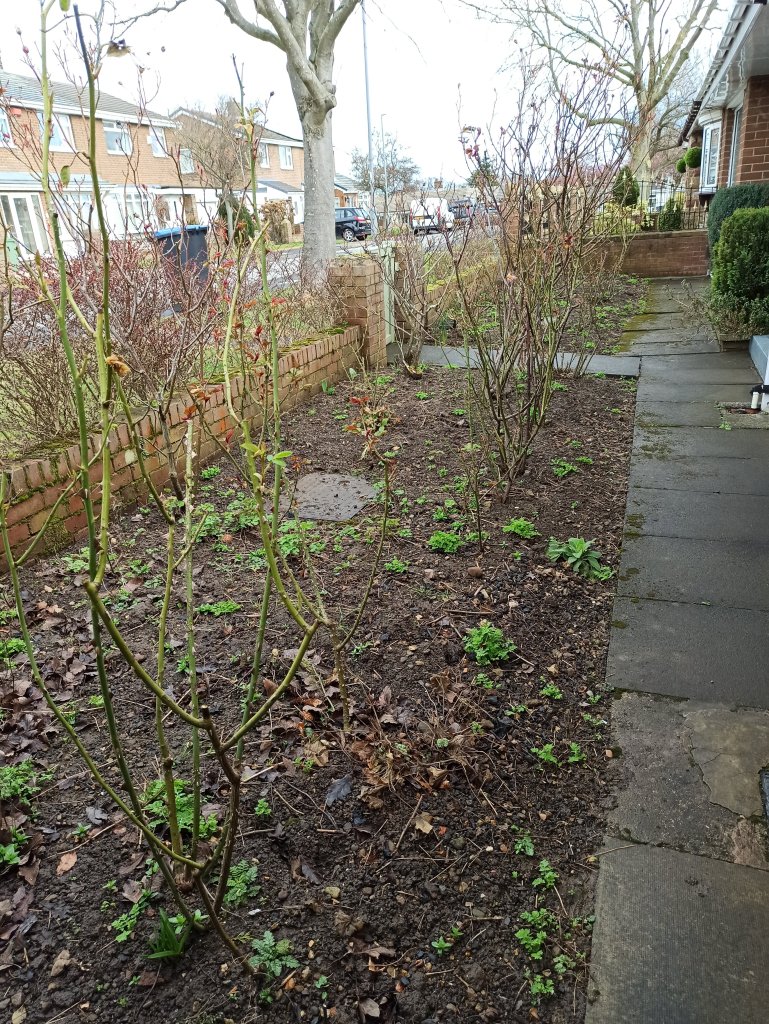
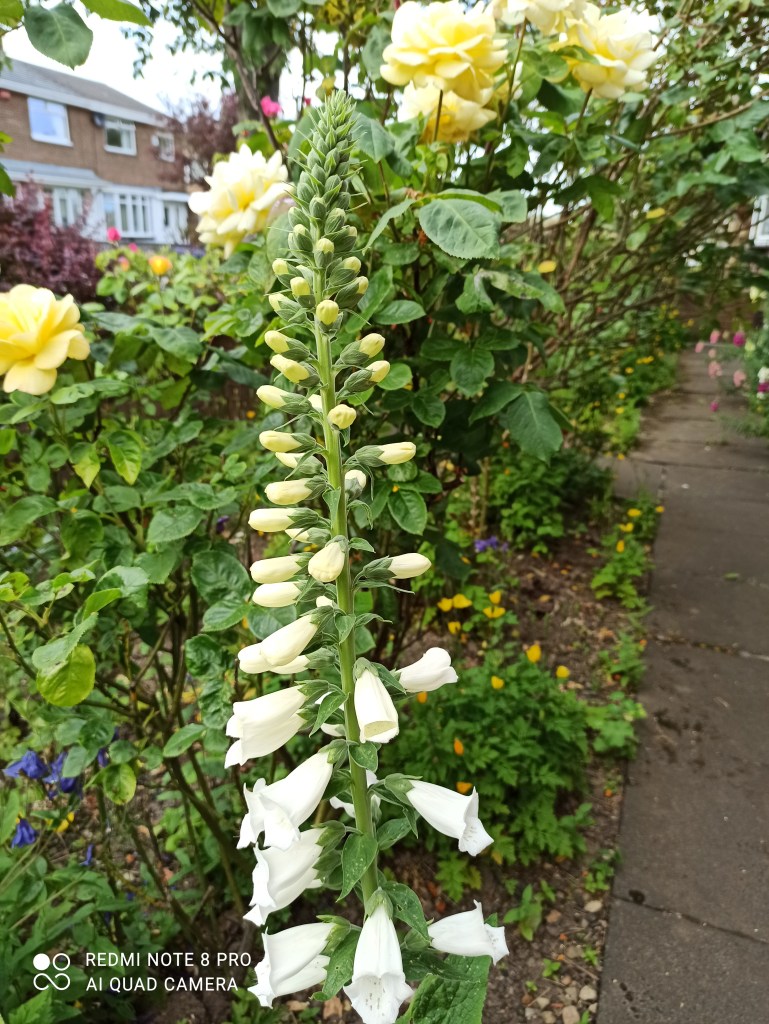
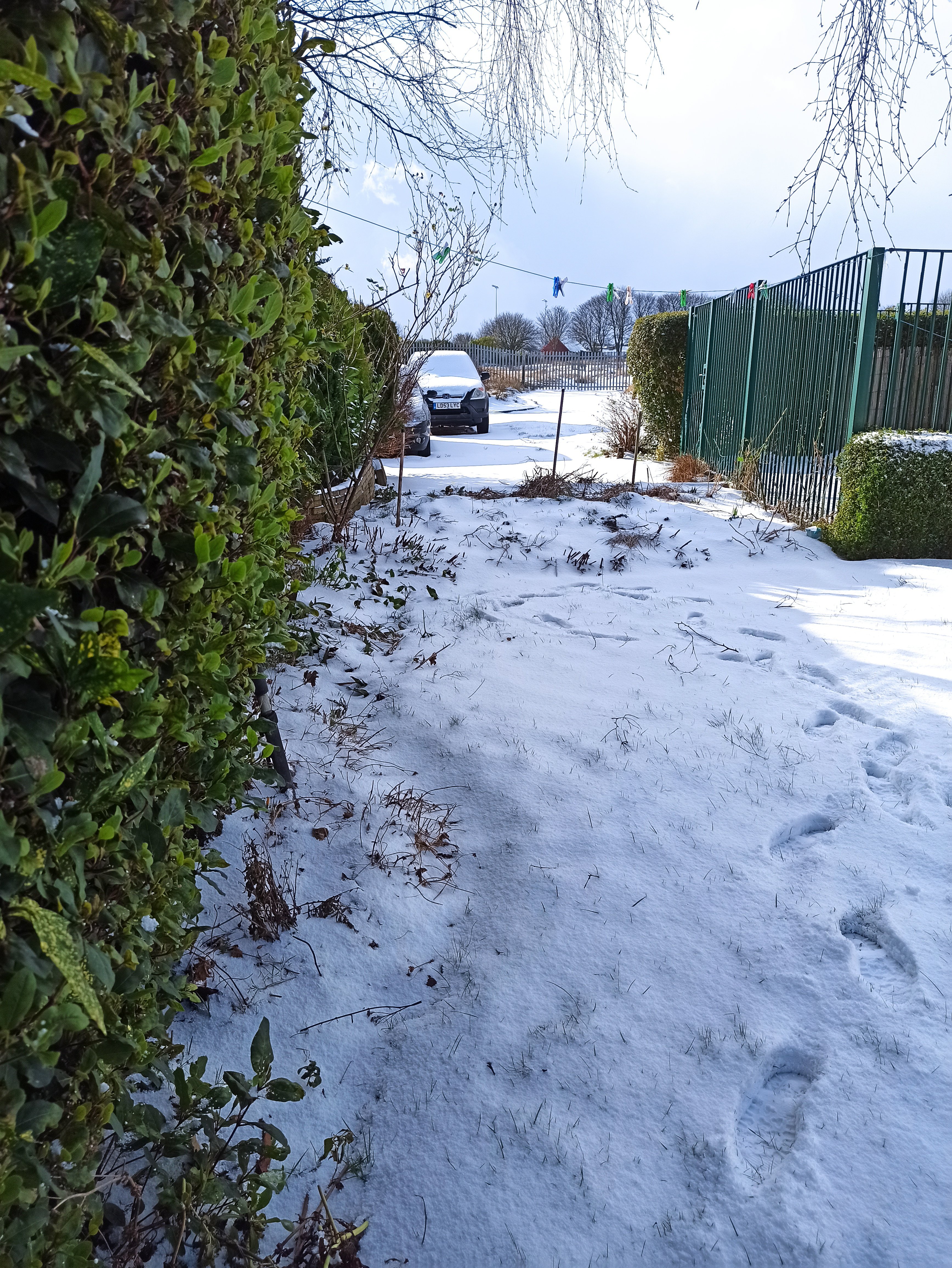
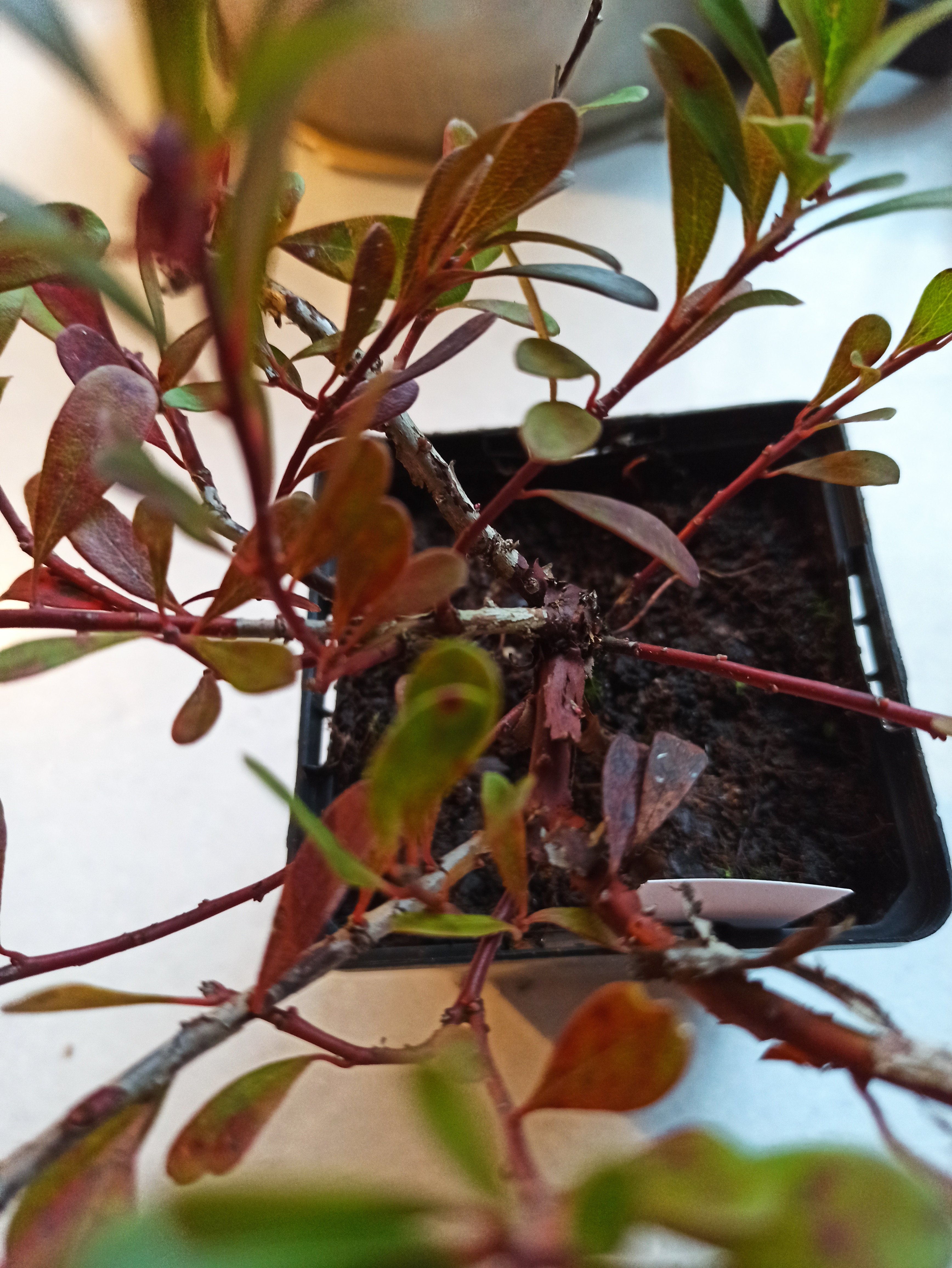
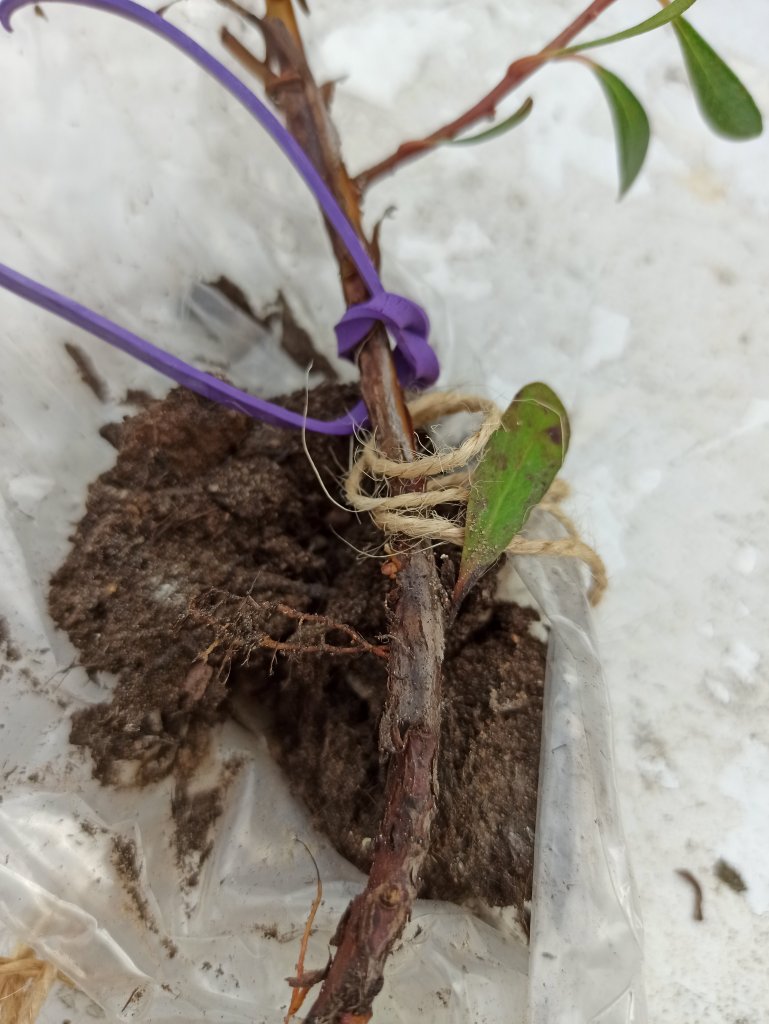
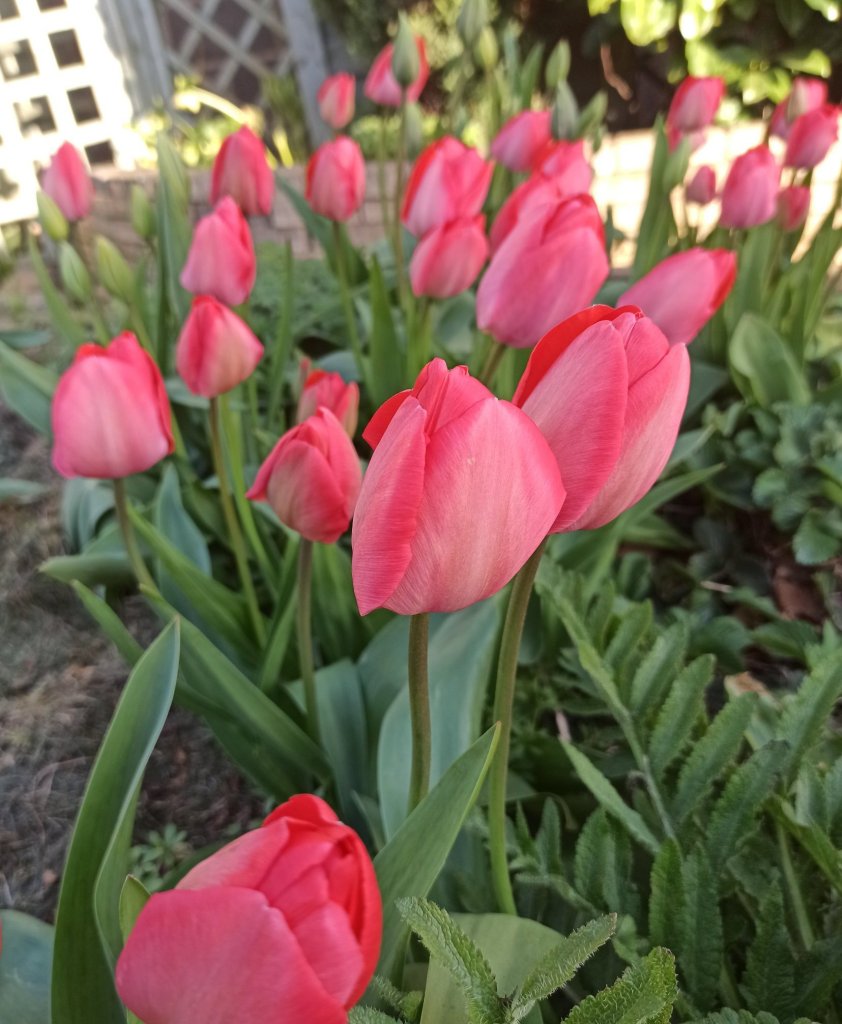
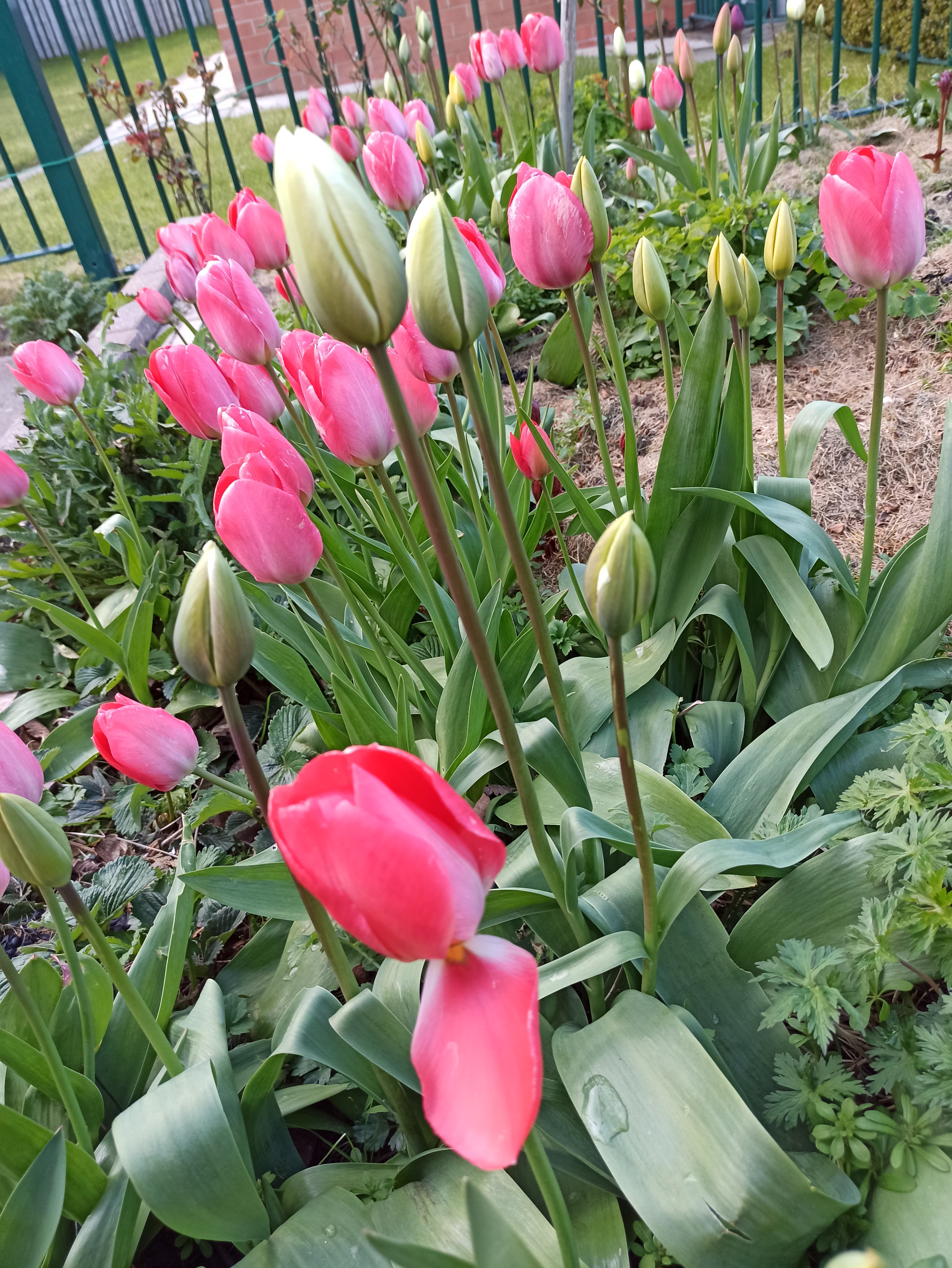
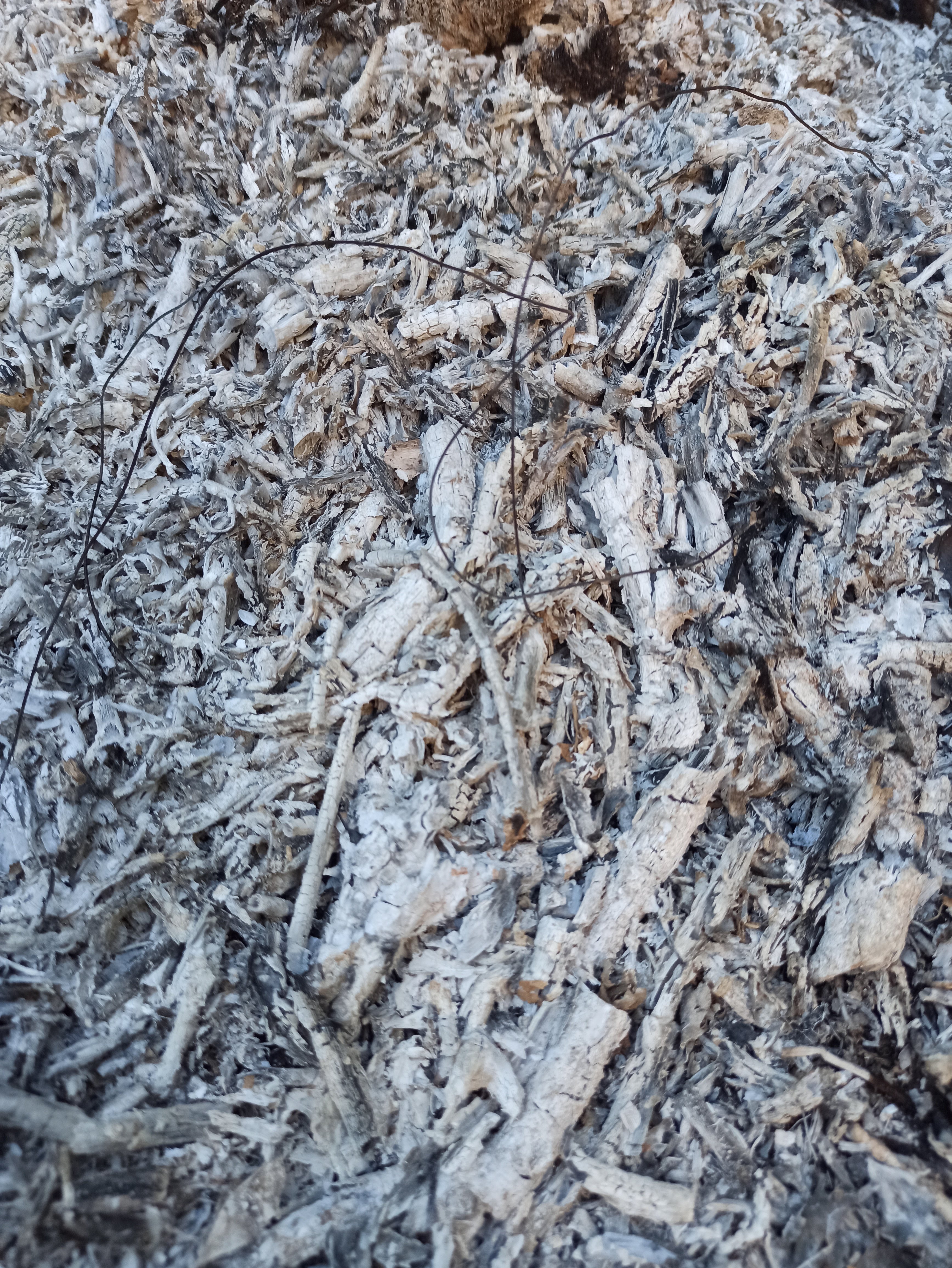
After a long winter months with the wet, winds and snow. My most awaiting time of the year is here. From the previous year, my collected garden waste, that’s not fit for my small compost heap is now ready to be burnt and the ashes will be feed into the garden. I placed all the dried garden waste into my repurposed fire pit, it’s an old washing machine drum that my neighbour had help me to dismantle it from it’s body. I was rather pleased with it because it’s now become very handy for burning small amount of garden waste. And the ashes will goes to some alkaline loving plants. I don’t really tested the soil pH balance. I just apply small amount of ashes to the plants base and mulch them. Before lighting the fire pit, I made sure that there is not a slight of breeze, a total calmness ( do not play with fire). I have the water hose pipe ready just in case of any accident happen health and safety is important. I love watching the dancing of the fire, it’s so therapeutic,
Below is a multipurpose fire pit that I used to cooked my barbecue too. Spring into action!

Yucca plant 2021

Though it’s a nice indoor/outdoor plant, extra care must be taken, beacause it has a rough edges on the leaves and has a almost needle point at the tip of it, hence it’s name (Spanish Sword).
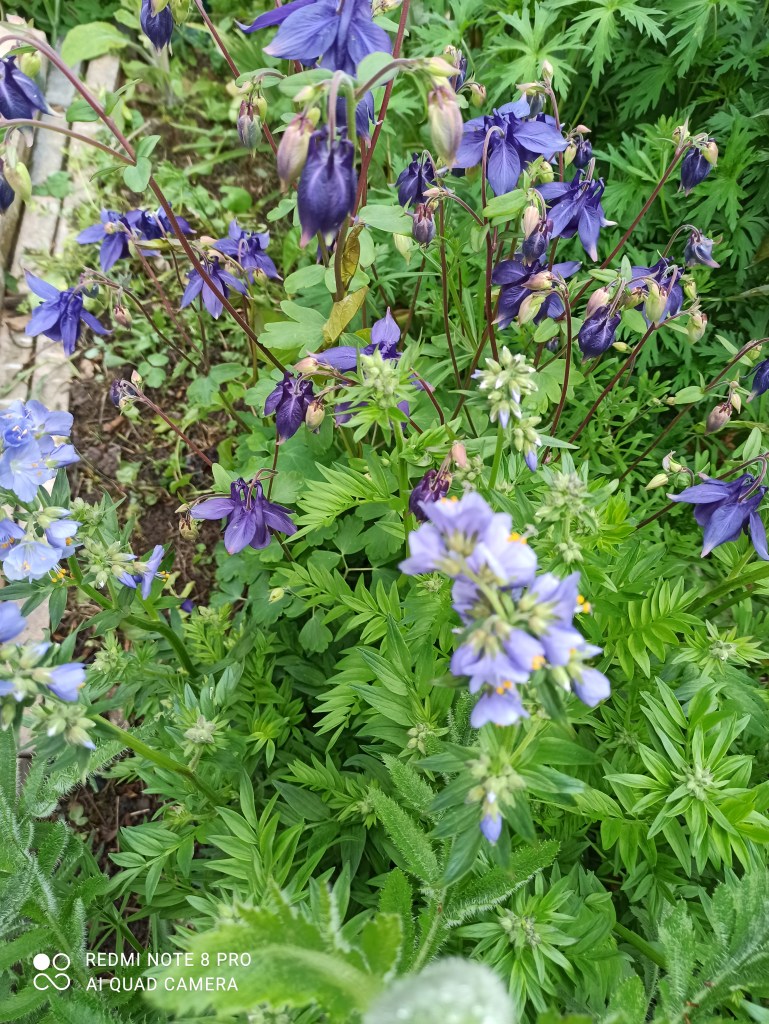
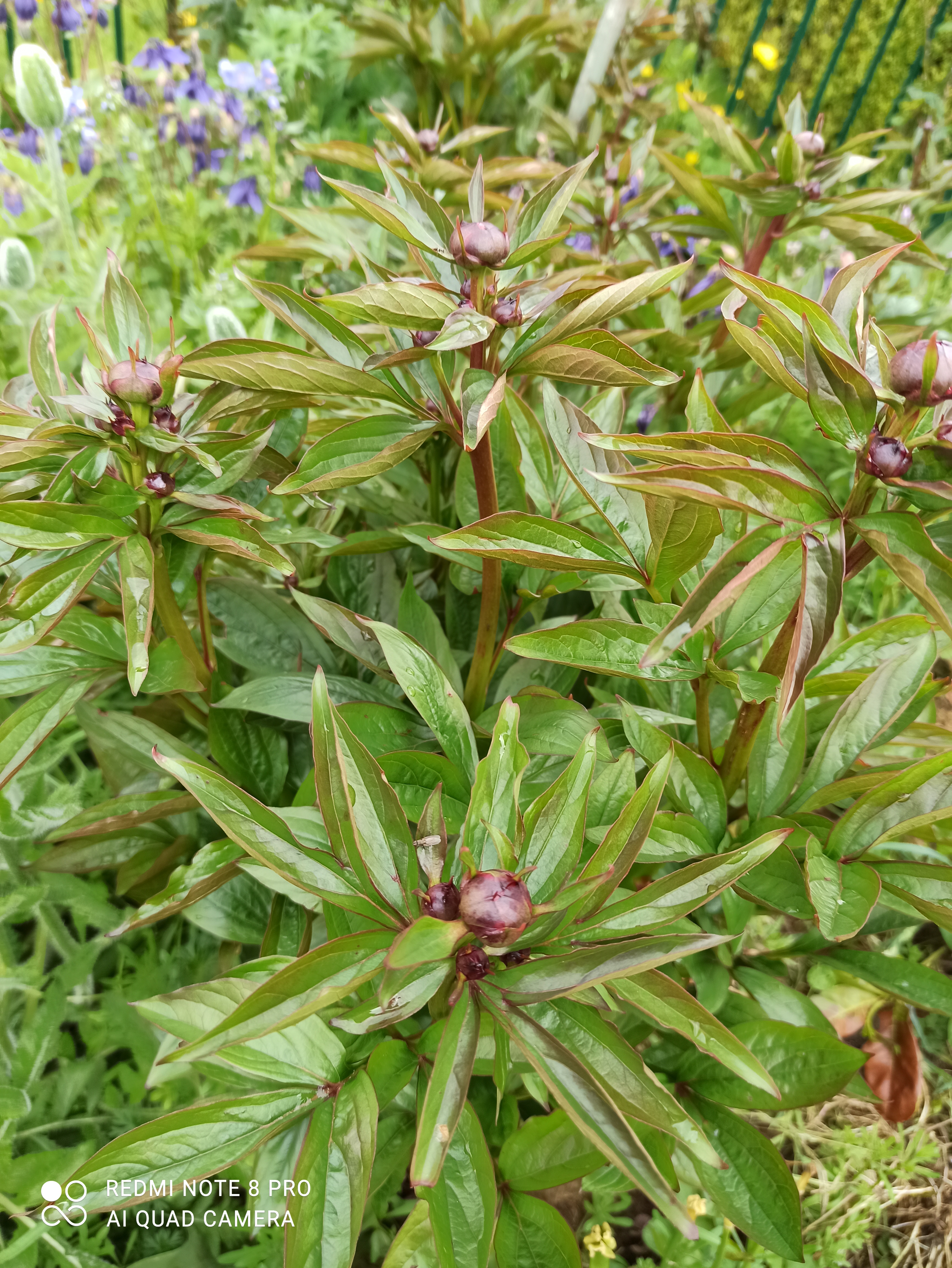
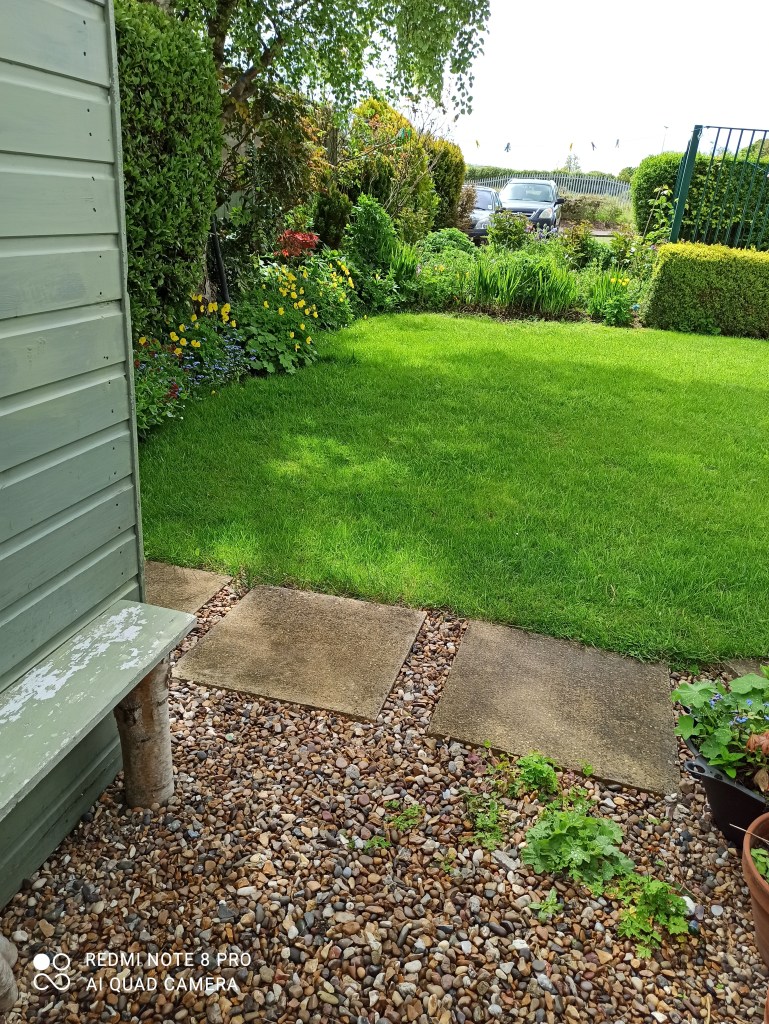
Above are my border plants, in the 3rd week of May.
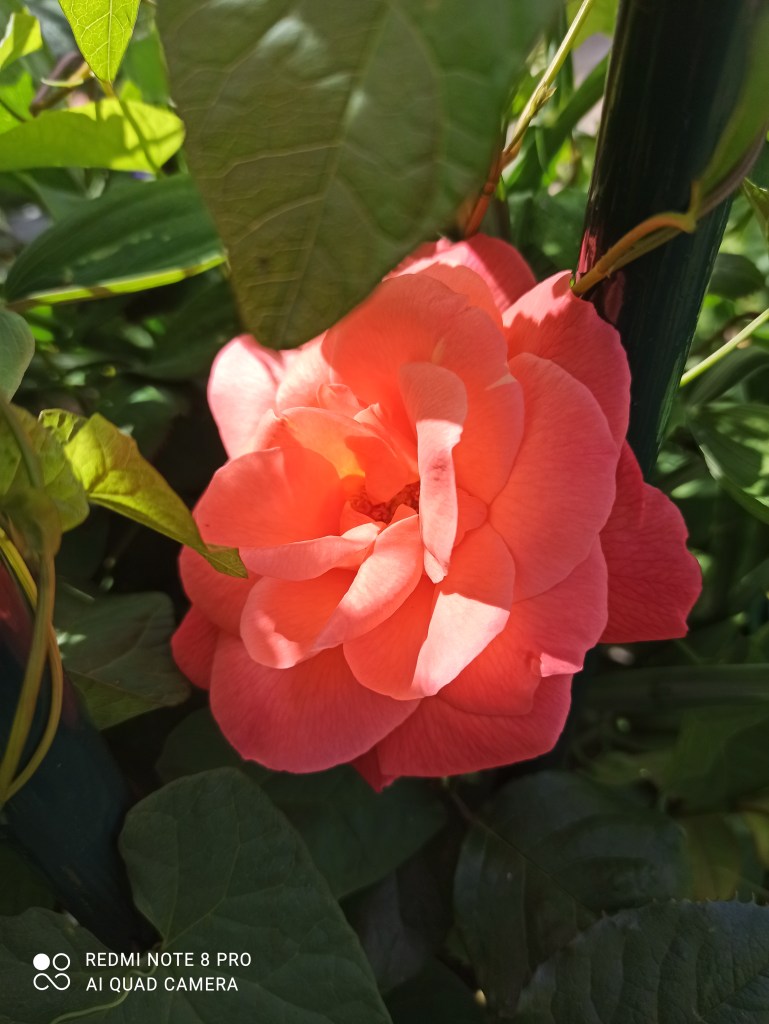
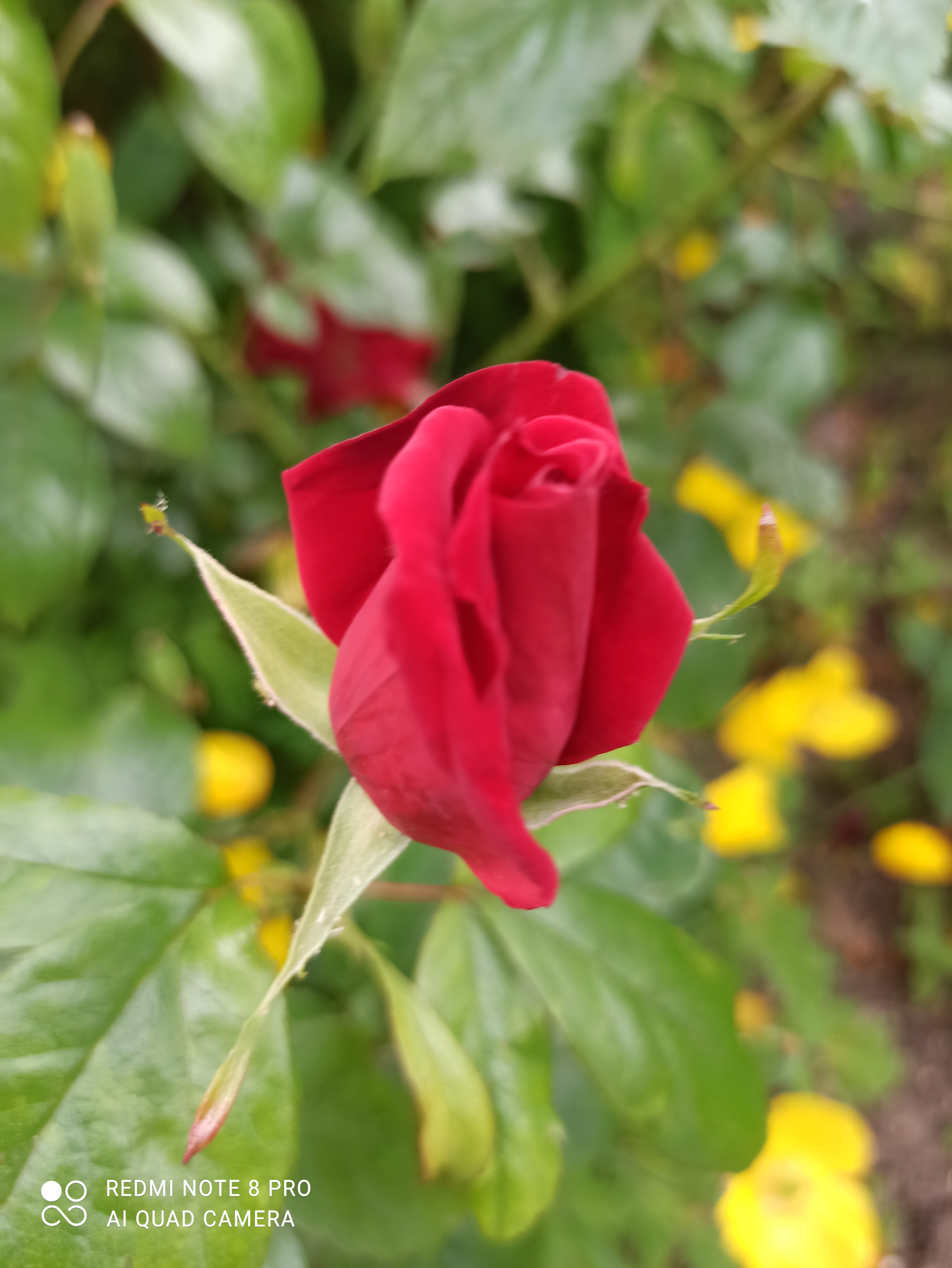
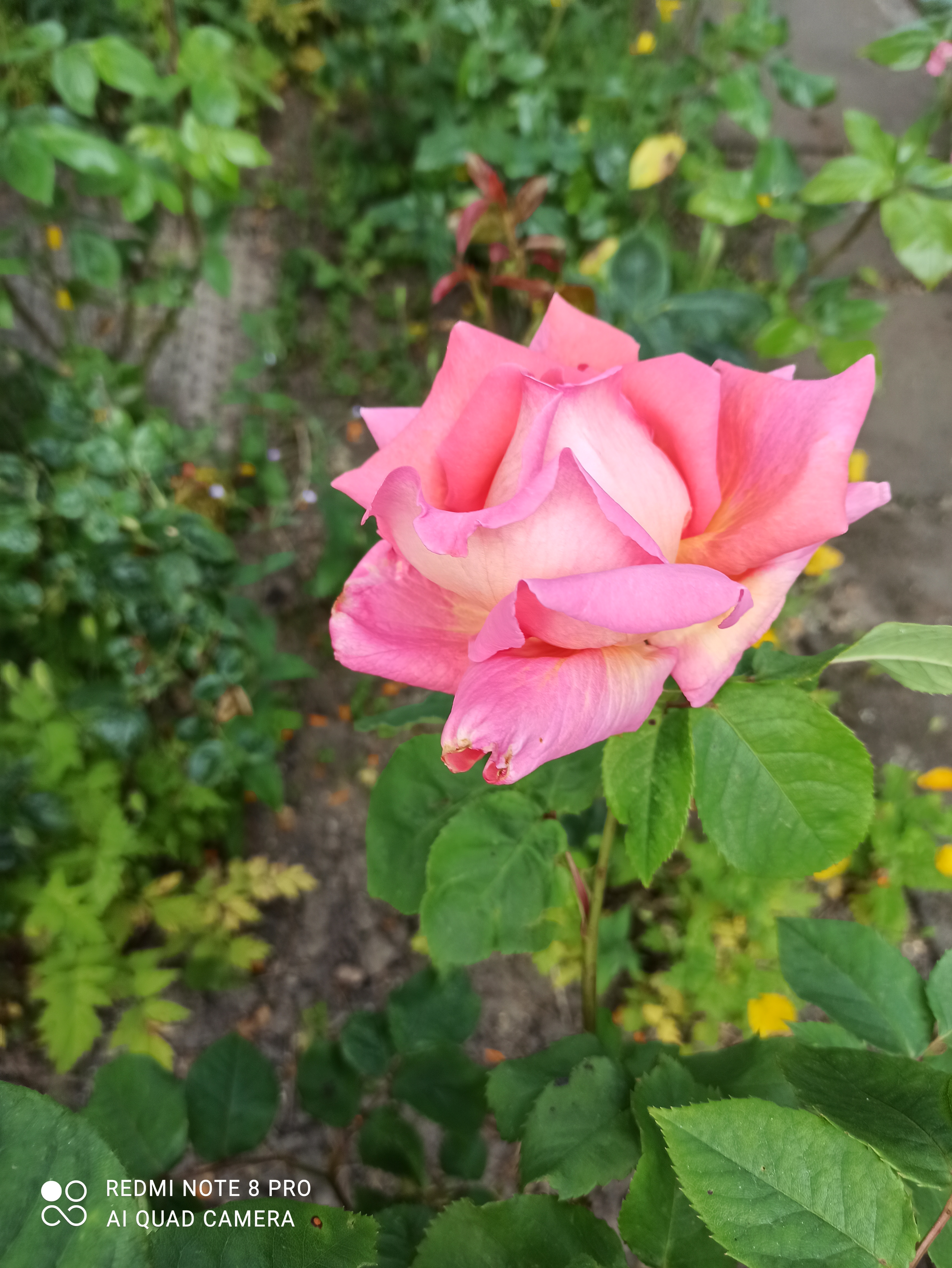
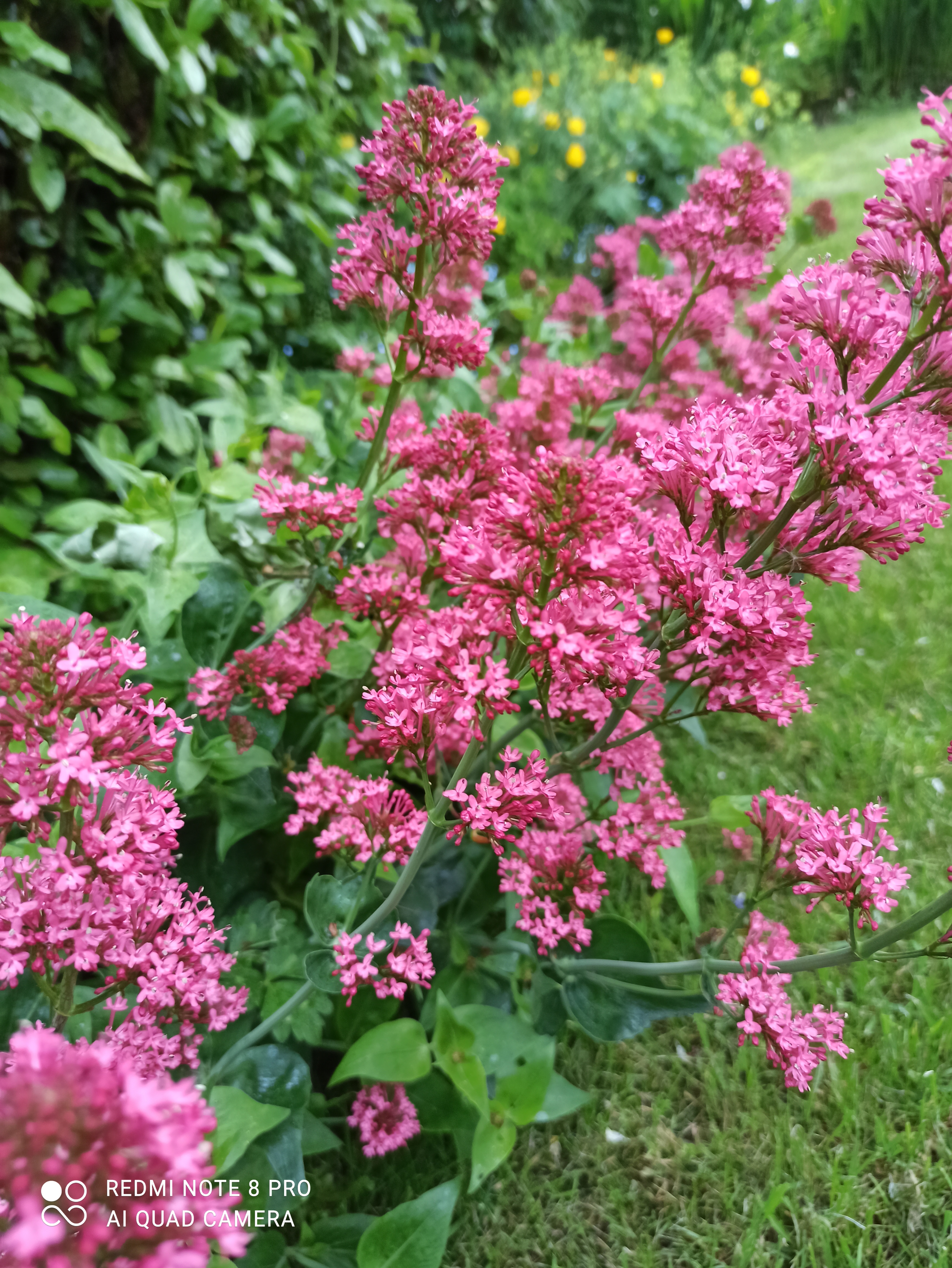
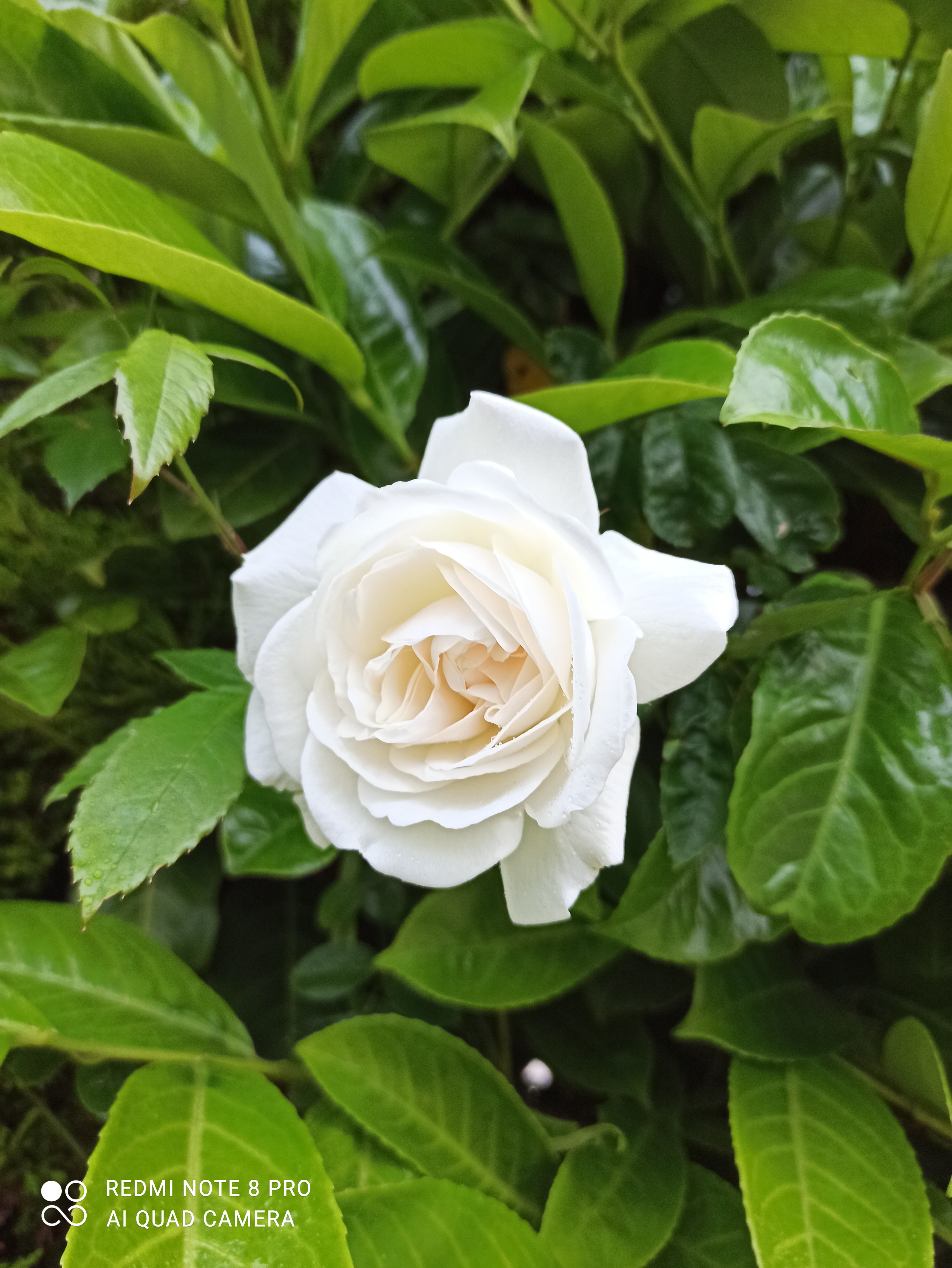

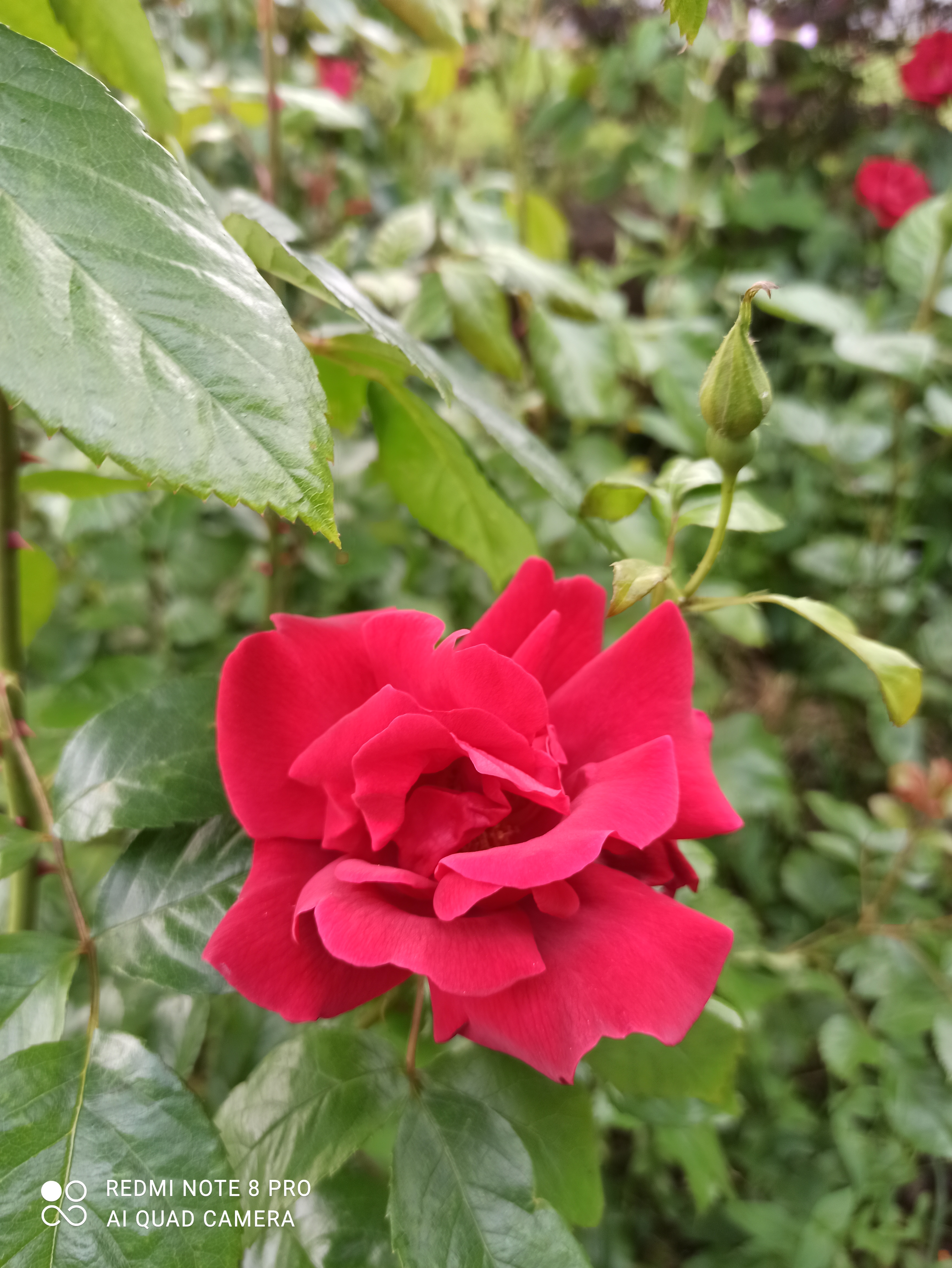
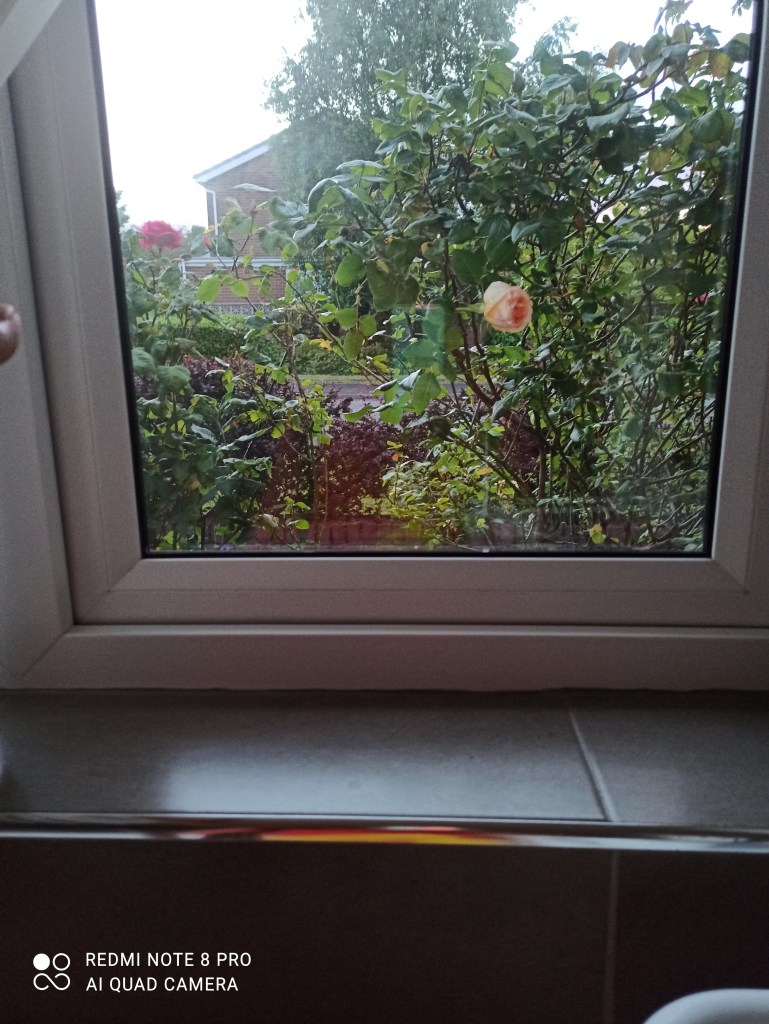
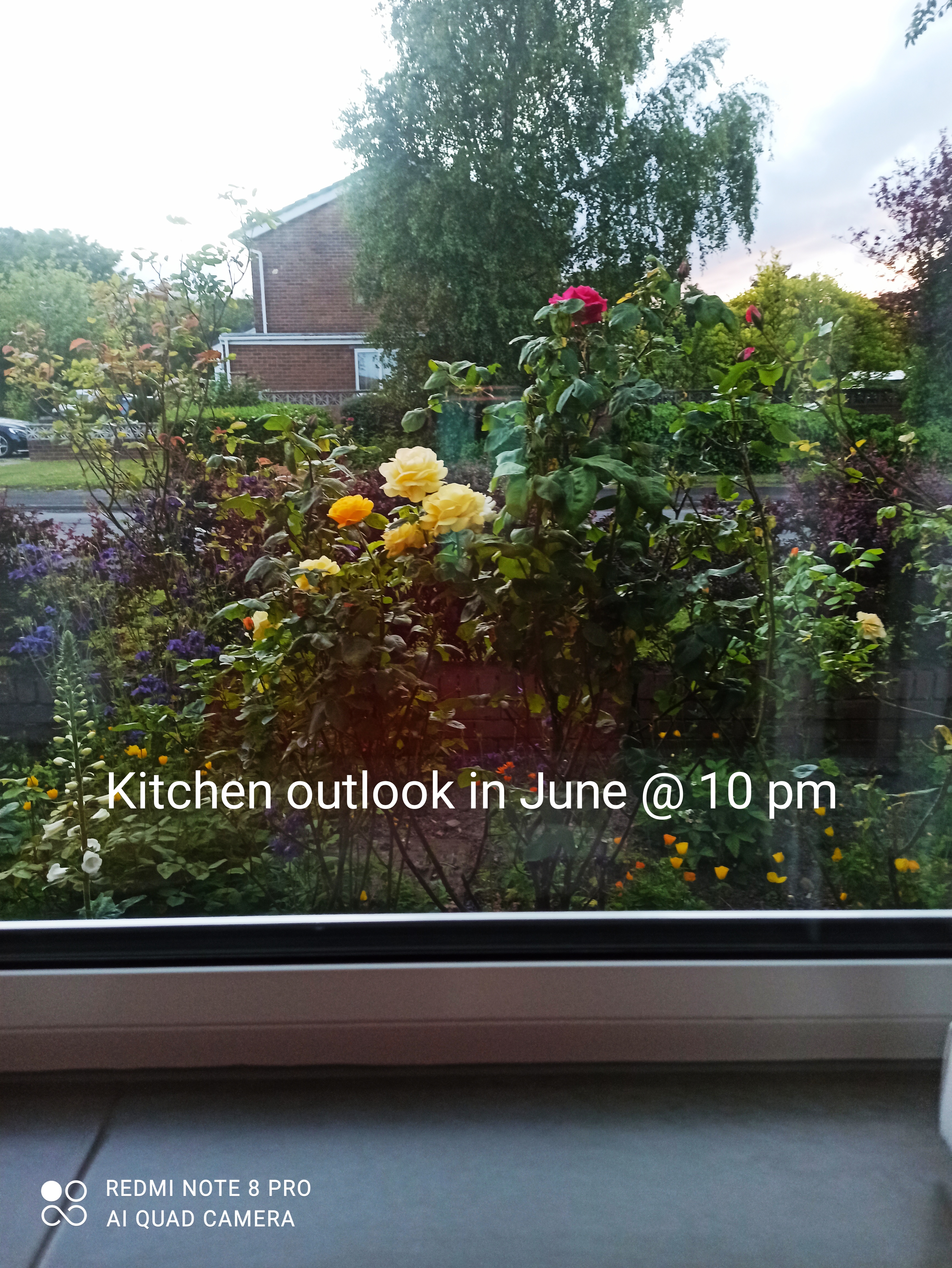

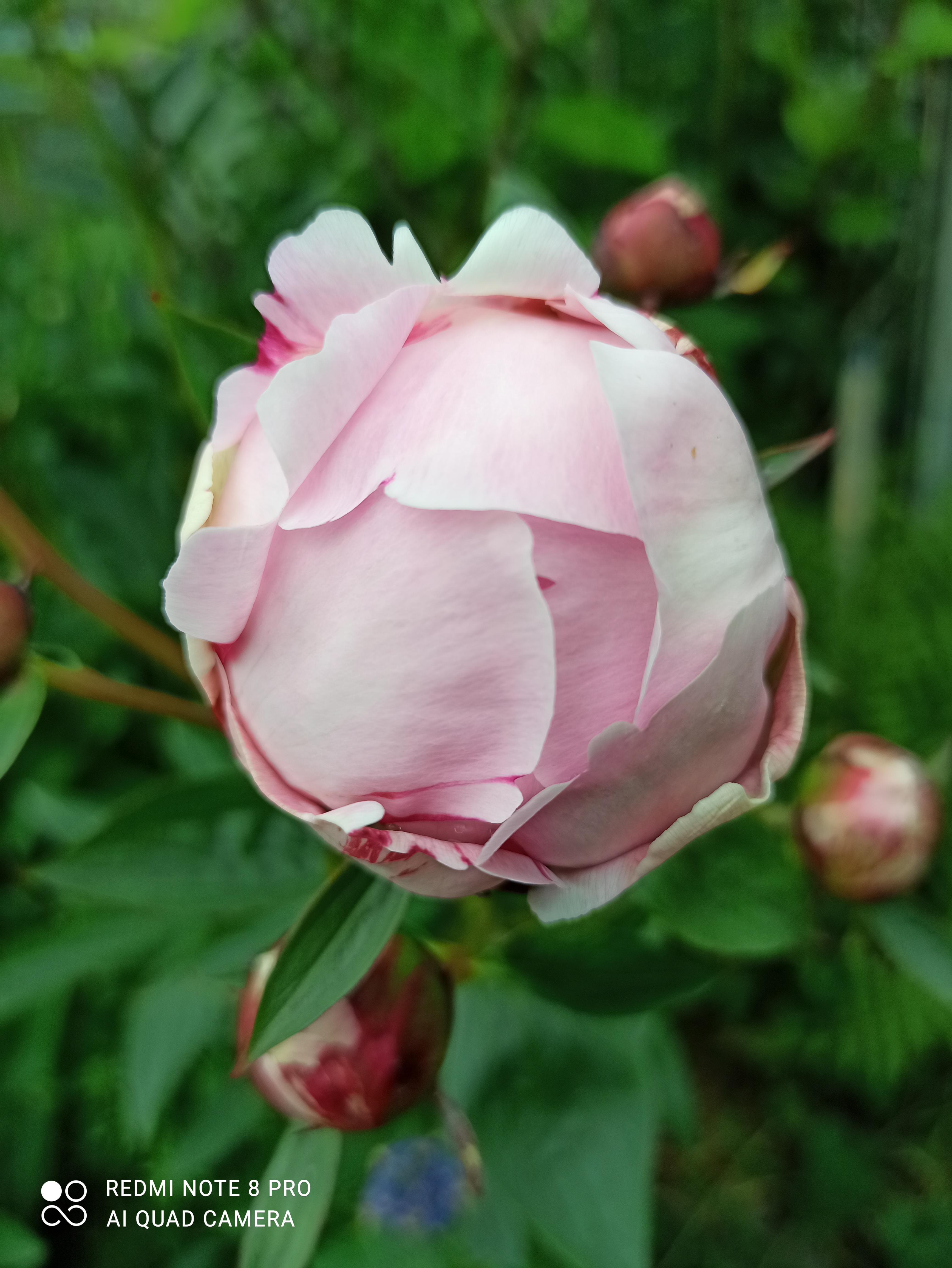
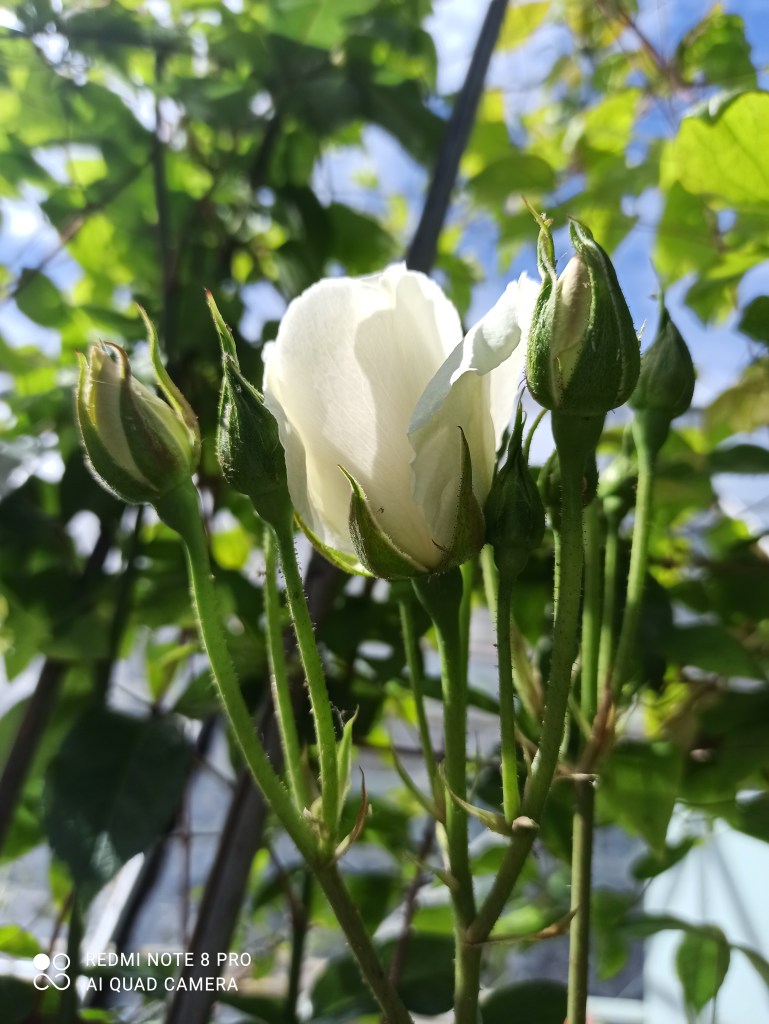
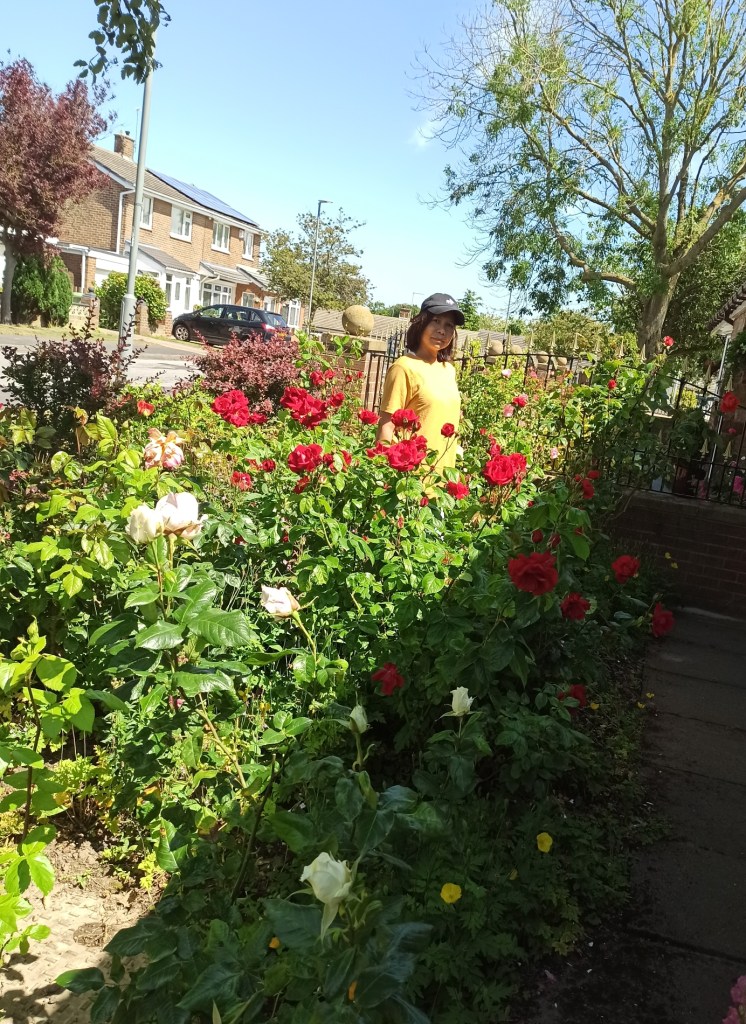
As you could see these are my beloved activities, it’s helps me become more active, thus also help to divert my negative energy into good use. Not all of us are fortunate enough to have small home garden to tend, but sometimes a plants pots are good enough to use if space is an issue and it is easy to manage too for those who don’t have access to small garden that otherwise wanted to grow some plants.
While growing up in Island of Leyte, our place was along the shore so space was scarce. I had a collection of Begonvillia plants in a rubber pots . I paid 5 peso each pot, 5 peso was the cost of a lollipop candy then. I had a few pots and my mother was not please that I spent money on useless stuff, because we were poor my mother think it was a waste of money. Begonvilla plant flowers all year round, it’s an acid loving plants, and love warm weather, there was reddish pink and purple blue colour it was pleasant to look at and brightened our very deprived area. Yet my mother who did opposed to my spending (poor soul) help to tend my flower pots collection. RIP Nanay (mother). Obviously climate in UK and Philippines are different so no Begonvillia in my small cottage garden here in the Northeast of England, though it does thrive in the Southern part of U.K. because I spoted it on my recent holiday with my mate Jo.
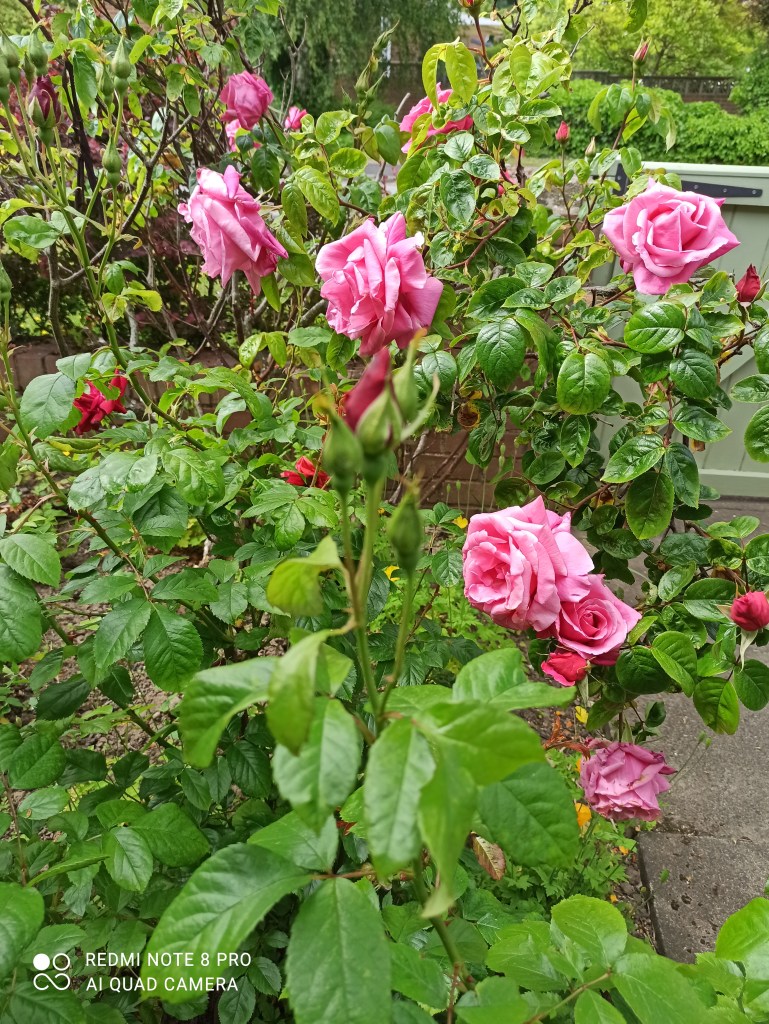
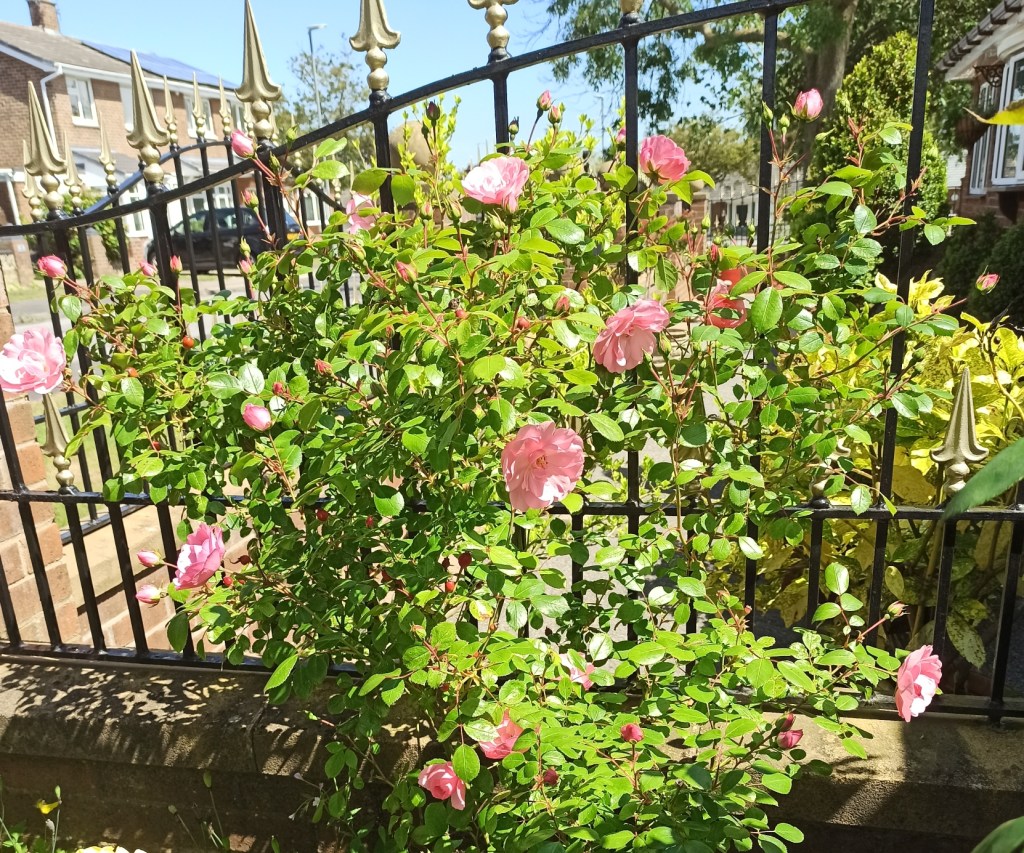
I enjoy watching the fruits of my labour. The roses are in full bloom this time of the year, the passers by also admire them.
Till the next cycle of plants life.
Getting started
All soap makers use similar basic kits, like mine
10 A knife and a ruler to measure and cut. (the often quite expensive cheese type slicers and graded wooden boxes can wait)
To minimise problems, measurements are based on weight, not volume.
Cold Process Soaps
Ingredients.
Distilled water
Sodium Hydroxide
The base oils and butters according to the recipe being used such as coconut oil, castor oil, olive oil, sweet almond oil, shea butter and cocao butter, to name a few examples. For ethical reasons, I never use Palm oil.
Additives
This refers to materials added to the mixture at the end of the mixing, to add to the texture, colouring or aroma.
Texture.
To assist in exfoliation, plant seeds, oats etc. Can be added.
Colourants.
All the natural ingredients give the soap their own colouring and further botanicals can be added for more variety. However, natural ingredient colours tend to have subdued gentle hues. Mica is natural but it’s own colour is a greyish off-white which is not considered attractive so dyes are added to provide vivid, bright eye-catching shades. All of these dyes are artificially created in commercial laboratories and their chemical formulas are not always clear.
Aromas
It is popular to add aromatic scents to soaps. Essential oils are a gentle natural source but they have the disadvantage of fading relatively early in the life of the soap. Again, the chemical laboratories come to the rescue by providing artificial fragrances which chemically recreate/copy scents and retain their stronger smell for much longer. These are simply identified in commercial ingredients as “fragrances” or “perfume/parfum” thus not clearly disclosing their actual content.
I like to know exactly what is going into my soaps and onto the skin of my family and friends, so I don’t use either artificial colourants or fragrances.
Tutorials
Not knowing anyone to teach me, I looked on line and was very pleasantly surprised to find that there are many tuition videos on YouTube. Just search in YouTube using “Soap Making” and take your pick.
A wider general search of the internet using your usual browser/search engine will produce lots of results for many sites also offering videos, some supported by detailed written tutorials and photographs of the processes, on their pages. These, (usually free of charge) tutorials cover the four basics of:
Cold Process Soap making, Hot Process Soap making, Melt and Pour and Liquid Soap making.
In addition, they often include blogs and other up to date information on all aspects of soaping for differing levels of expertise, from all around the world. Some helpful ones, I’ve found, are listed below but really, just jump in and try the “suck it and see” method, as I did. You may find something to your own taste. (excuse the pun)
UK
“thesoapkitchen” a supplier of ingredients too
“savvyhomemade” a very thorough site and aptly named
“lovelygreens” a gentle site from the Isle of Man, in the Irish Sea
USA
“soapqueen” jam-packed with info and tutorials, ingredient supplier too
“simplelifemom” recipes and tutorials
“thesprucecrafts” recipes and tutorials
Canada
“soap-making-essentials” there is no selling on this site, just lots of very useful advice from Vancouver Island. BC.
(these are just some of the sites that I have visited during my search for soap making advice. I don’t know any of the people concerned but I have found their information to be helpful to me. I have not included links to external sites)
Some hopefully useful jargon
Trace is used to describe the state of the oils just after being mixed with the lye/water solution. Once the liquid has thickened and leaves a trail across the surface when drizzled, it is said to have reached “trace” and can be poured into the prepared moulds.
Curing is the term used to describe the process taking place after the pouring into the mould when the water and lye slowly evaporate and the soap gradually hardens. After 24 hours it can usually be removed from the mould/s and sliced, if necessary. However, a further curing period of four to six weeks is usually required to enable the saponification to be completed, thus evaporating all of the lye.
Gelling is a phase that may or may not occur during this initial 24 hour period. The insulated curing soap may change to a transparency and is caused by the soap naturally heating up. It does not affect the quality but may affect the appearance /colour.
Discounting applies to the percentage reduction of either
a) the amount of water/sodium hydroxide mixture (Lye) being added to the oils
or
b) the percentage of water being added to the sodium hydroxide.
In the case of (a) this would result in a surplus of oils being left in the soap to act as a moisturiser on the skin. The discount allowed for this might be in the 5% to 10% range. This is also known as “super-fatting.”
For (b), this would mean a reduction in the usual percentage of water added to the Sodium hydroxide from the usual average of 37% to say 35% to remain within the safety margins. The reduction in water content causes the curing (hardening) rate to quicken and has the risk of the mixture (seizing) going stiff, in the mixing bowl. The overall curing might mean that the soap is hard at four weeks. However, it should still be allowed to cure for the remaining two weeks to avoid any lye being left un-saponified.
If you find “superfatting” a little difficult to understand, at first, like I did, it may be helpful to know that the lady on the “lovelygreens” site, has incorporated this into her starter recipes for beginners, to save you the trouble of having to do those calculations, at this early stage.
When I started, I strictly followed the small batch starter recipe paying great attention to the weights. Some oils and butters are solid at room temperature so it was necessary to heat them in a pan. When they were liquid I added the other liquid oils (but not the essential oils)
Then I added the sodium hydroxide flakes to the distilled water and gently stirred with my stainless steel spoon. I then placed the solution in a safe place, often outside because the chemical reaction caused the mixture to heat up and give off fumes.
Temperature is very important so I needed to monitor both the lye solution and the oils container aiming for a temperature of around 40 C, for each. Then I gently poured, through a strainer, the Lye solution into the oils. At the same time I submerged the end of my stick blender in the liquid and began mixing, using short bursts until the “trace” stage was reached. At that point, after the use of the blender was over, I added my essential oils. (this is also the point when other additives would be included such as colourants and fragrances.)l
This was the end of the process and I then simply poured my soap into the moulds to allow the curing process to begin. I covered the moulds for 24 hours then when they were firm, I released them from the moulds and stored them for a further six weeks. .
This word (quite a mouthful) is used to describe the chemical interaction which takes place when the lye, distilled-water and fats/oils mix together to create soap. The Latin word for soap, “sopa” is it’s possible origin.
As new starters, we can simply follow a recipe from a trusted source. Their creators have usually already done all of the calculations, according to the ingredients. Providing that we carefully weigh those ingredients to ensure that we are complying with the recipe, it is usually plain sailing and eventually, rather routine. The real fun begins with exploration, invention and innovation. This is where we choose what type of soap we want to make along with the ingredients to provide the qualities we expect of it. This also requires us to do calculations involving, ratios, percentages, weights and strengths (densities) including the previously mentioned Sap values.
In the early days of soap making, there would have been no measuring. The fats from the slaughtered animals would have simply been mixed with water and wood ash from the fire pits and then left to cure. To avoid being left with a smelly slop of yuk, the early soapers would probably have overloaded the mixture with wood ash (lye) to make sure it cured as a usable hard lump. The excess of lye would not have been a problem because the coarse soap would have been used to clean the animal hides rather than human skin. I suspect that human survival had the edge on personal hygiene, and also our ancestors probably had skin as tough as rhino hide.
Nowadays, modern science has given us the ability to determine exactly the weight of how much lye is required to “saponify” a one gram amount of a particular oil/fat. This figure is known as its “Sap value.”
Please remember Lye;
creates heat when mixed with water and can become explosive when in contact with certain metals
It is essential that you devise safety rules for your particular circumstances, facilities and location, and also strictly observe them. Some ideas are given below to, hopefully, help you devise your own.
Be prepared to seek medical advice if there is bodily contact with lye.
All soap making ingredients should be stored safely in appropriate containers in a locked facility. They should only be removed for soap-making activity and then immediately returned to their safe location, after use. Access to the locked area should be controlled and restricted to responsible adults. The equipment, once having been contaminated, should also be kept separate and solely used for soap making.
Children, vulnerable adults and pet animals all require close supervision so, you should do your soap making when none are present. A distraction could easily lead to an accident so is always best avoided.
You should also not forget your own personal safety so firstly, an uncluttered and safe work area needs to be prepared. All the ingredients and equipment should be well laid out, near to hand and ready for use. Next comes your protective kit.
Goggles must be worn (and be large enough to cover spectacles, if necessary) but also close fitting so that no splashes can get in. Some folk also add a full face visor for extra protection.
Long sleeves to cover the arms, Long gloves for the hands and wrists and long trousers together with socks and closed footwear to cover up any exposed skin.
Maybe an apron and/or a lab coat and a dust mask too, if powder is being used.
The work space should be well ventilated during the mixing of the lye, because of the harmful fumes produced. This ideally should be done outside and always, the lye should be poured into the water, never the other way round, thus reducing splashing risks.
You may briefly look like an astronaut but who cares. Don’t be scared, just be careful and always seek the advice of qualified professionals.
So … using reasonable care and common sense makes it fun.

 ffletch
You must be logged in to post a comment.