Woodlands, Hedgerows and Sea-Shorelines are great places for foraging and we are blessed with all of these in and around our little home town on the coast of North East England
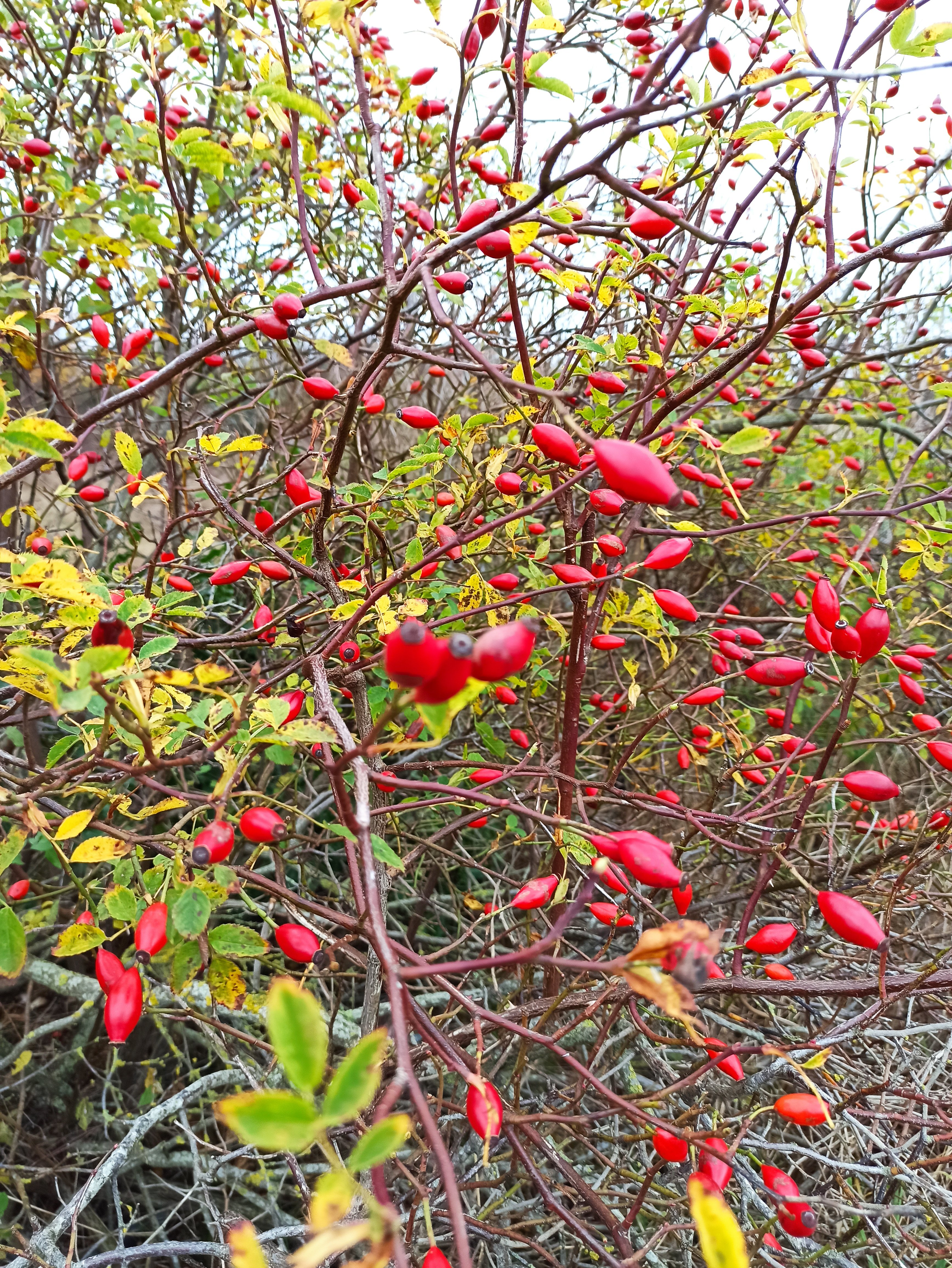
Free ingredients for cold process soap. The journey is long and winding, but I have ample of time on my hands, so instead of just ordering rosehip powder from ebay or amazon I decided to collect the seeds myself. We are blessed with an abundance of naturally growing wild plants, where we live here in England. Traditional havesting time for fruit bearing trees or bushes is autumn. I only collected them ripe red and firm just to serve my own purpose. I discarded any beans with blemishes and return them to the soil or compost heap in our garden. I leave plenty for the birds too.
I wore old jeans, Wellington boots and an old cotton top/coat to protect me from rose bush thorns. I also have a walking stick, not to aid me for walking but to hook the rose branches towards me, very carefully, so not to let the branch swing on me. There are a few varieties of rose bushes and some variety are more thorny than others. I only pick rosehip from less thorny bushes and the most accessible ones. It was nearing the end of the season, November, and I gathered enough rosehips for my home handcrafted soap making.
Foraging comes naturally for me because growing up in a small village in the Philippines where I came from, as children we could roam freely with friends. We went to pick/collect guavas and santol fruits (wild mangosteen, in English) in the wild or at a nearby government owned land that we called the hacienda.

Santol fruit come from big tall almost gigantic trees when they reach maturity so it can be quite dangerous to pick their fruits. It is usually done by some fearless boys who can climb the trees. Guava is easy to pick because it’s only a bush tree. Both fruits have some kind of sourness and sweetness that depends on it’s variety, but both have distinctive flavour otherwise. Like rosehip they are known to be loaded with vitamin C.
Guava leaves are used, in my family, for first aid. When a child, I had a wound on my leg and I still have the scar. I was in agony for a long time. (There is no NHS there) The small wound became infected. I recall that I was limping and should have had my walking stick back then . My aunty, who passed away many year ago, who came to visit us, took action and give me first aid. She collected guava leaves, boiled them to release their medicinal properties then let them cool down to a warm temperature. She washed my infected wound on several occasions…. tada… my infected wound was healed. Therefore I concluded that guava leaves are medicinal. I could add them on to the list of my soap making ingredients the next time I set foot in the hacienda. They are the fruits that I have missed along with a few others too.
I never saw a rose bush back home. Maybe there are some up in the north of the Philippines, the Mountain Provinces, because of the cooler temperatures there.
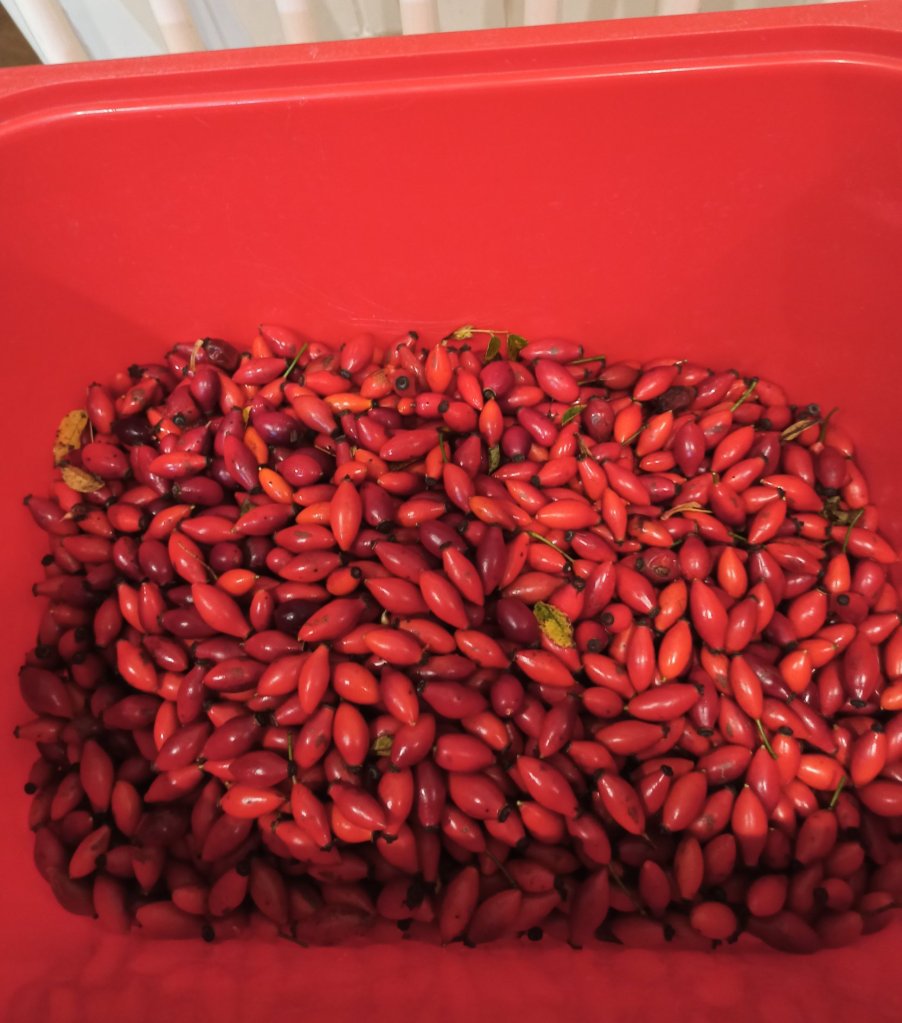
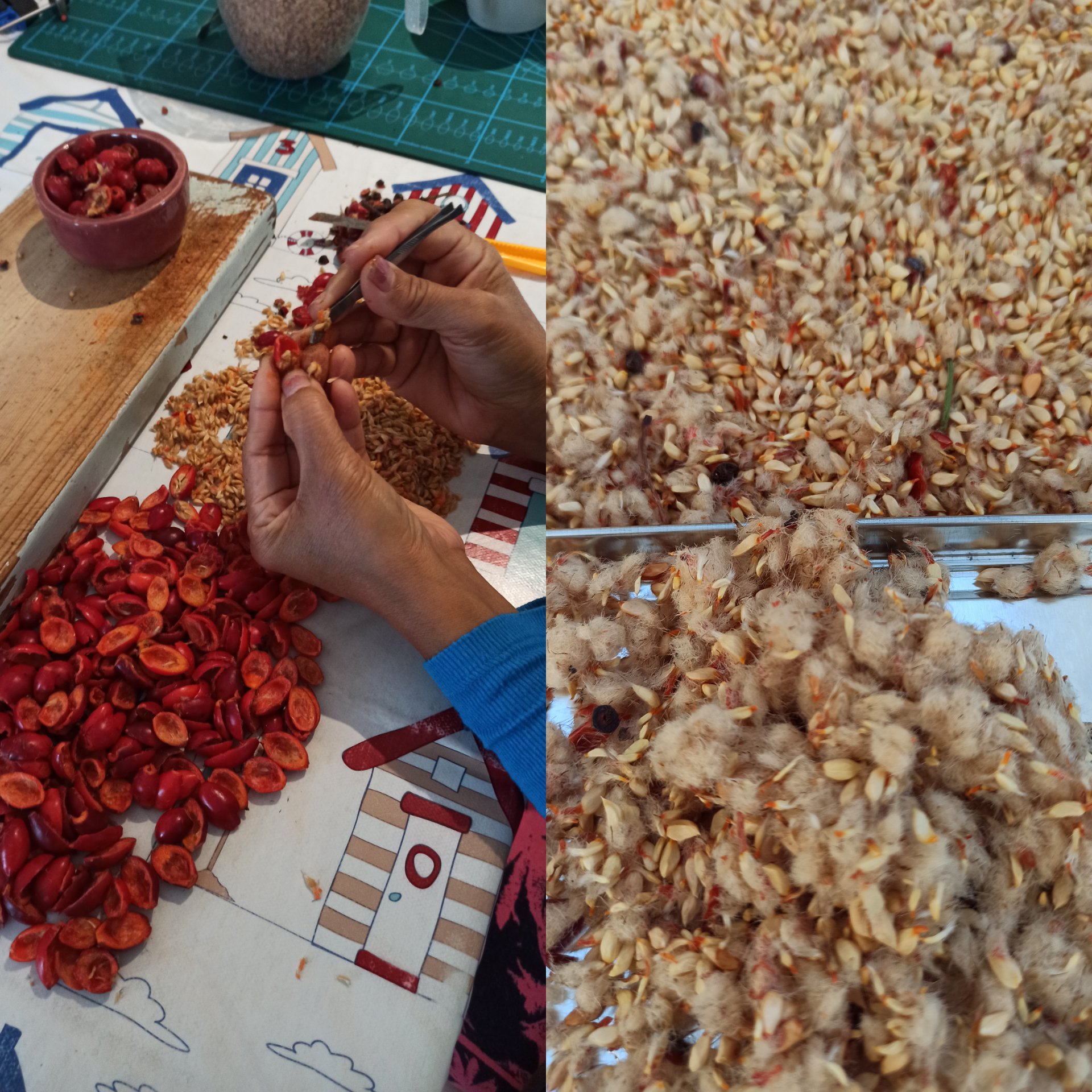


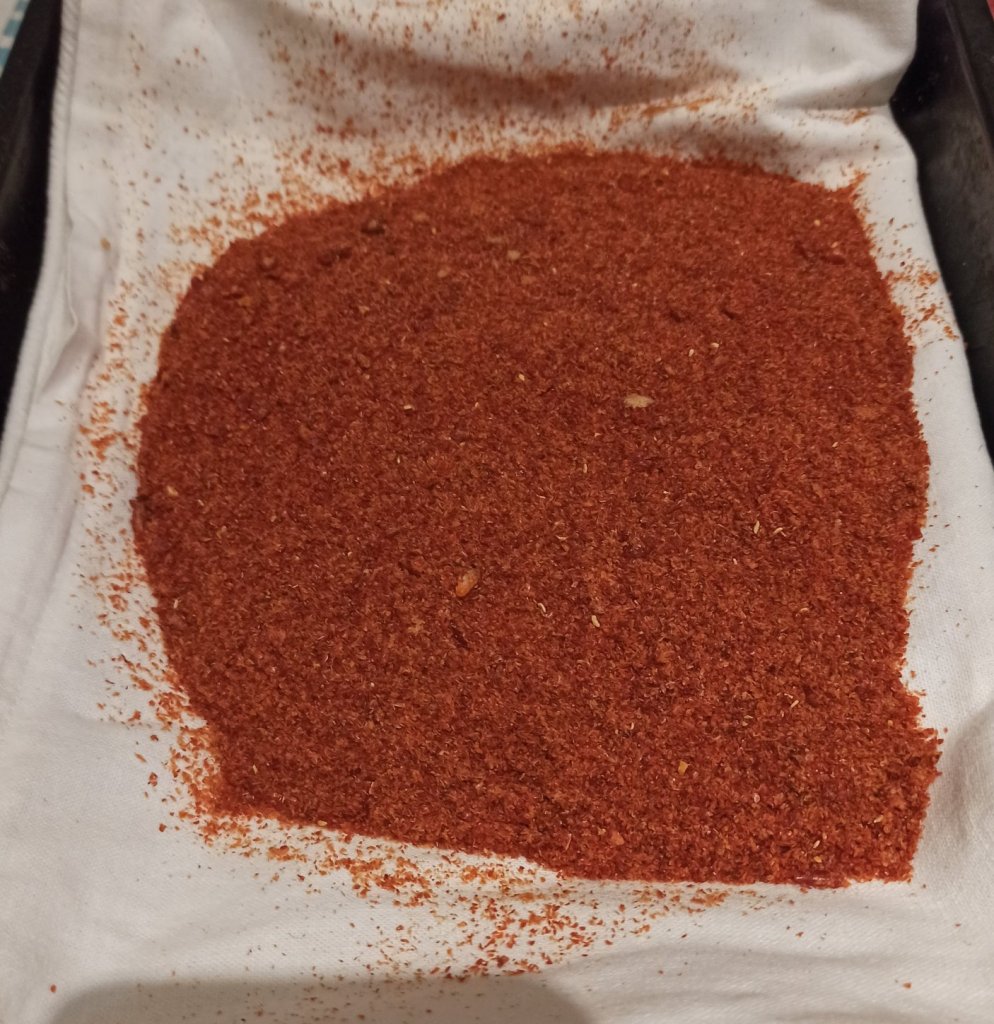
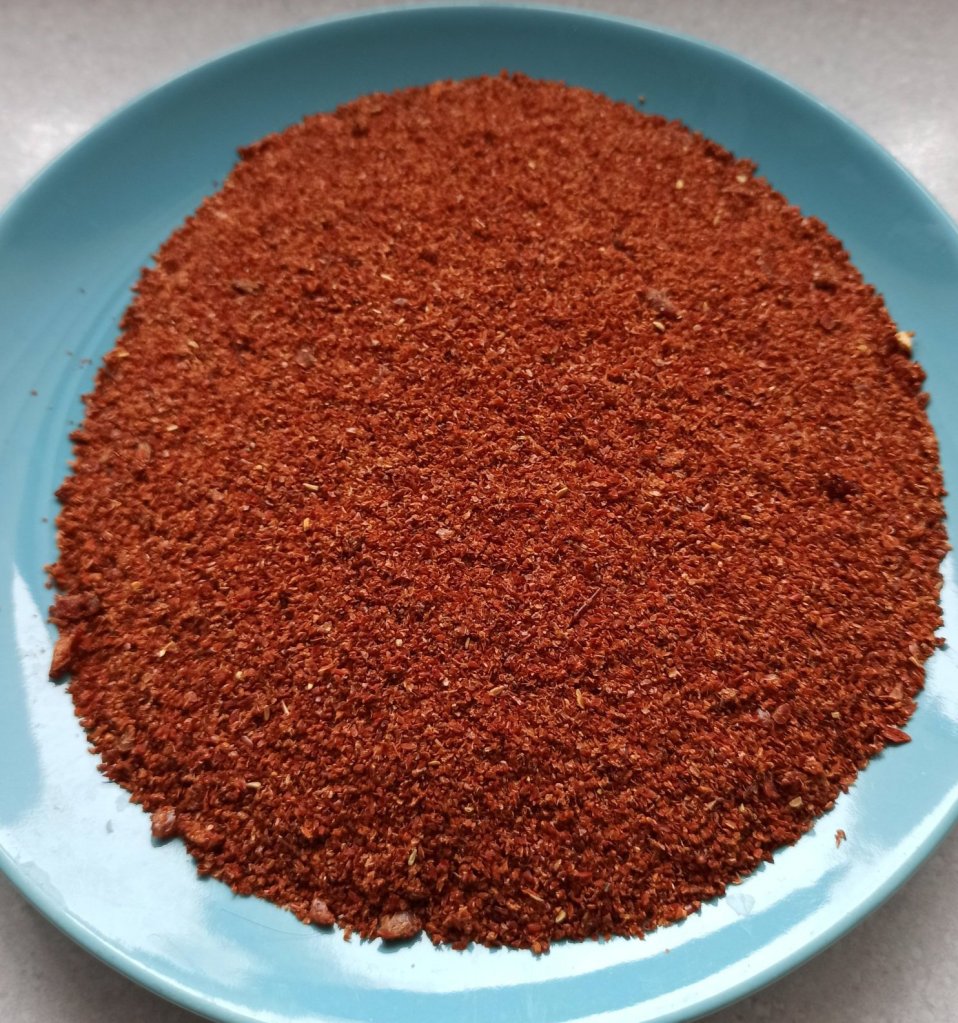
There are many uses of rosehip. Let us not be confused with rosehip and rosehip seeds. As you can see from my picture above, I sorted/removed the seeds from the fleshy rosehip, The rosehip seeds are very hard to crush and I failed to break them using mortar and pestle and my domestic electic oil expresser. Only expensive commercial machines have the power to crush them. However, the fleshy rosehips are easy to crush using a basic kitchen blender to make powder. I used a bullet blender because I already had one to hand. I made myself a rosehip powder cuppa. Loaded with vitamin C but the vitamin C content is reduced in the drying process. The flavour is slightly sweet and tangy and I added a dollop of honey. I also tried it without adding honey. Of course, I used them for my handcrafted cold process soap. It gives a natural colour to my soap bars. I varied the amount of rosehip powder within the limit allowed in my soap ingredient calculations. The more the rosehip powder you use, the darker the colour, thus less rosehip powder gives a lighter colour.
I have also tried infusing some dried rosehip with carrier oils like sweet almond oil and olive oil but I will leave this topic for a future blog.


The lather produced is the same for both of the soap bars above.
 ffletch